
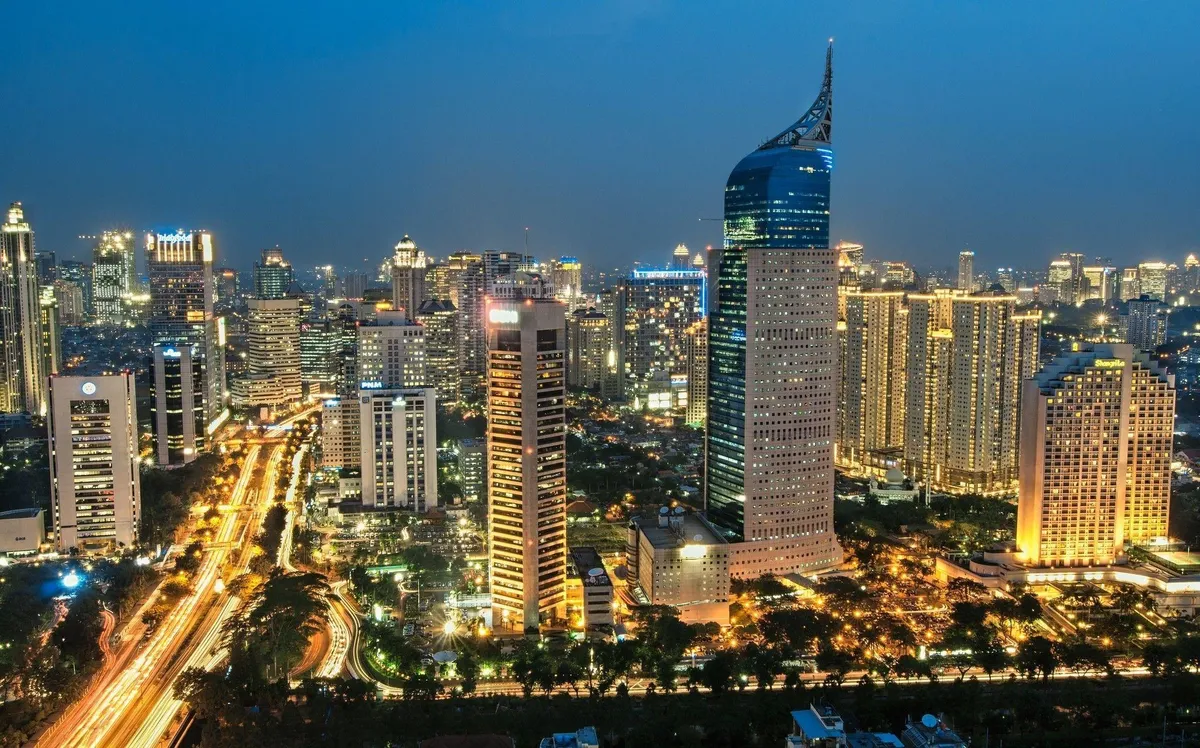
Jakarta, once a thriving metropolis with a population of 150,000 in the early 20th century, has transformed into the world’s most populated city, housing 42 million residents as of 2024. However, this explosive growth has come at a significant cost, reshaping its metropolitan area and presenting complex challenges.
Previously, the expectation was that Jakarta would continue to expand economically and demographically without significant hindrances. Yet, the reality has shifted dramatically as the city grapples with severe environmental issues. Jakarta is sinking rapidly, with parts of the city descending as much as six inches per year, exacerbated by climate change and overdevelopment.
The decisive moment came when it was revealed that about 40 percent of Jakarta is now below sea level. This alarming statistic has raised concerns about the future livability of the city, with estimates suggesting that nearly half of Jakarta could be inundated and uninhabitable by 2050.
The immediate effects of these changes have been devastating. In 2020, record flooding claimed the lives of more than 60 people, highlighting the urgent need for action. Residents like Ratini have described the dire conditions, stating, “The water can reach thigh high. Cars and motorcycles can’t enter the area.” Meanwhile, M. Abdul Baits pointed out the stark reality, saying, “This is proof that Jakarta has sunk below sea level here. This used to be a two-story house.”
In response to these challenges, Jakarta’s government announced plans for a 435-mile seawall project, a massive undertaking that President Joko Widodo emphasized would take 15 to 20 years to complete. This initiative aims to protect the city from rising sea levels, which have increased by about four inches over the last three decades.
However, experts caution that relocating the capital does not address the root environmental and social problems. M. Abdul Baits remarked, “Relocating the capital does not address the root environmental and social problems. Those issues remain unresolved.” This perspective underscores the complexity of the situation, as the city must confront both immediate and long-term challenges.
As Jakarta continues to navigate these pressing issues, the future remains uncertain. The combination of rapid urbanization and environmental degradation poses significant risks, necessitating comprehensive strategies to ensure the city’s sustainability.