
The wider picture
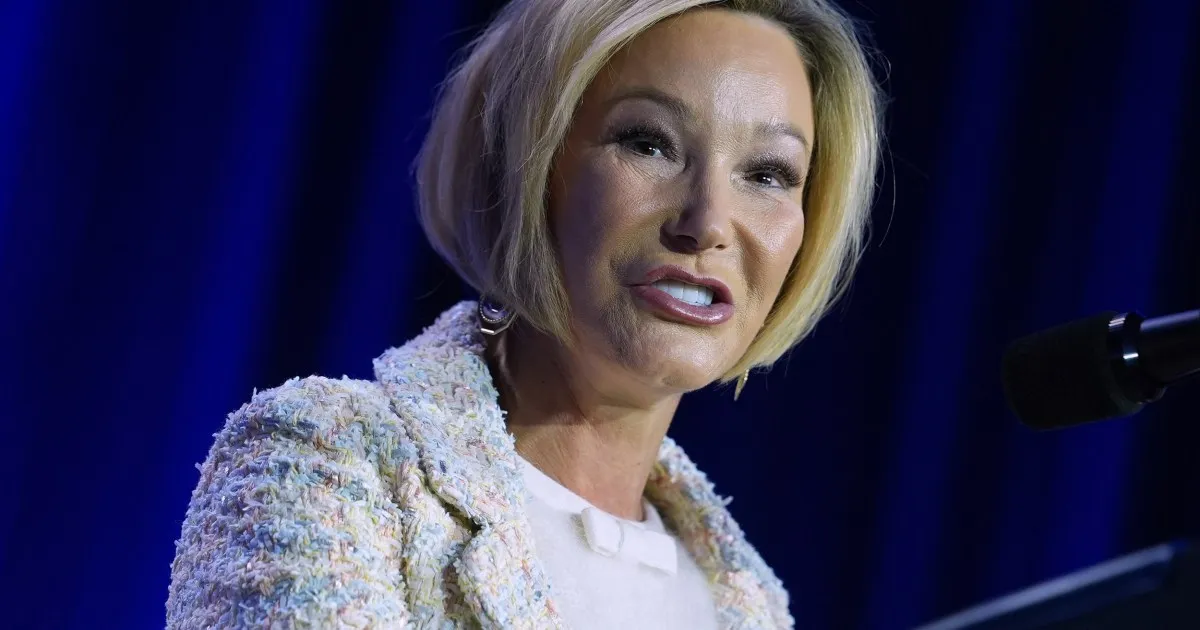
Paula White, a prominent spiritual adviser to President Donald Trump, has been a polarizing figure since her appointment to the White House in 2019. Known for her evangelical Christian beliefs and her close association with Trump, White has often stirred controversy within both religious and political circles. Her role has included speaking at significant events, including Trump’s inauguration in 2017, and she has been a vocal supporter of his policies and presidency.
On April 2, 2026, during an Easter lunch event at the White House, White made headlines for her remarks comparing Trump to Jesus Christ. She stated, “Jesus taught so many lessons through his death, burial, and resurrection. He showed us great leadership, great transformation requires great sacrifice. And Mr. President, no one has paid the price like you have paid the price. It almost cost you your life.” This statement was made in the context of discussing the challenges Trump has faced, including legal battles and threats to his life, which White likened to the trials of Jesus.
The comparison has sparked significant backlash from various quarters, with critics from both liberal and conservative backgrounds expressing their outrage. Catholic theologian Rich Raho labeled White’s remarks as “blasphemous,” emphasizing the inappropriateness of equating a political figure with a central religious figure. Reverend Benjamin Cremer also criticized the comments, stating, “This is what it sounds like to take Jesus’ name in vain.” Such responses highlight the contentious nature of White’s statements and the broader implications of intertwining politics with religious narratives.
Despite the backlash, White’s comments received applause from some attendees at the event, indicating a divided reception among those present. This division reflects the ongoing tensions within the MAGA movement, where White has been a controversial figure since her rise to prominence. Her assertion that the White House is “holy ground” further complicates the discourse, as it suggests a blending of political and spiritual authority that many find troubling.
The event was initially closed to the press, but a video of White’s remarks was mistakenly uploaded to YouTube, allowing the public to witness the controversial comparison. This incident underscores the challenges of managing public perception in an era where information can quickly spread online, often leading to heightened scrutiny and debate.
White’s relationship with Trump dates back to 2002 when he reached out to her after a television appearance. Over the years, she has become a key figure in his circle, often advocating for donations to support her ministry, which has raised eyebrows among critics who question the blending of faith and fundraising in a political context.
As the fallout from White’s comments continues, observers are left to ponder the implications of such rhetoric in the political landscape. The intertwining of religious language and political support raises questions about the future of evangelical influence in American politics and how figures like White will navigate the complexities of their roles. Details remain unconfirmed regarding any official responses from the White House or further statements from White herself, but the discourse surrounding her remarks is likely to persist in the coming days.