
The wider picture
The Strait of Hormuz is the most important sea route for oil exports in the world. This vital passage has become a focal point of geopolitical tensions, particularly following the recent military actions involving the U.S. and Israel against Iran. As a result, the ramifications of these events have begun to ripple through the global oil market, significantly impacting gasoline prices in the United States.
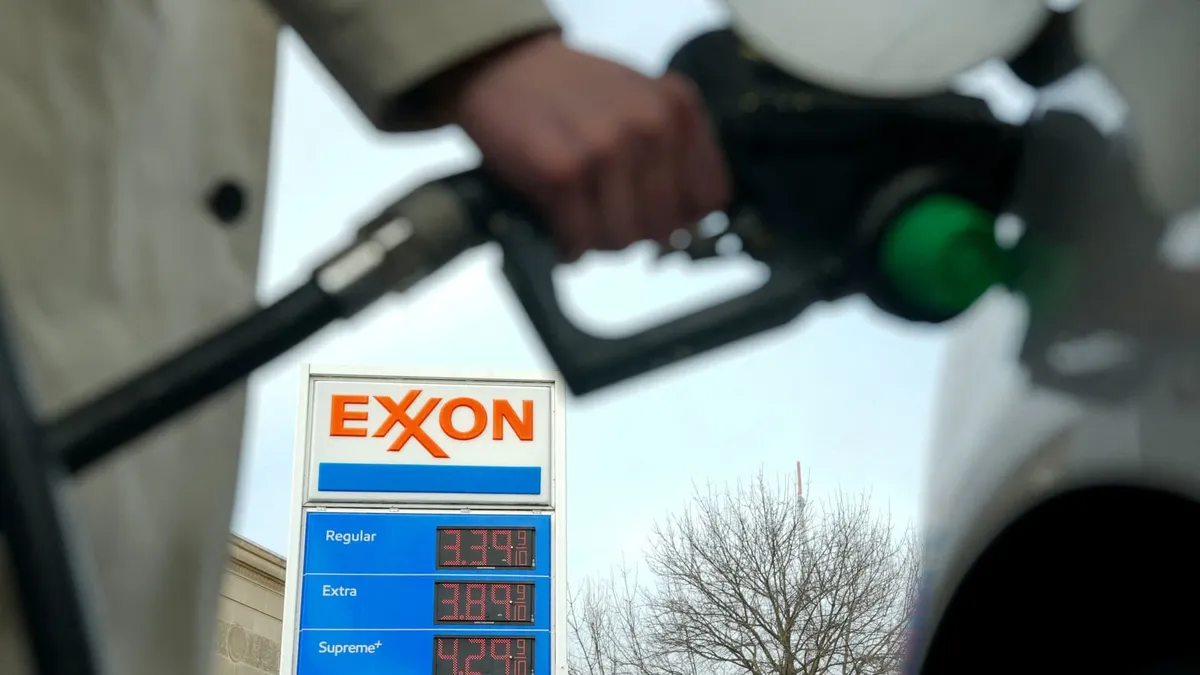
As of March 31, 2026, U.S. gasoline prices have surged above $4 per gallon for the first time in more than three years, hitting a nationwide average of $4.018. This marks the highest level since August 2022, reflecting a dramatic increase in costs that many consumers are feeling at the pump. The spike in prices has been attributed to a more than 30% increase since the onset of the conflict in late February.
In March alone, the average monthly gas price is expected to be 25% higher compared to February. This sharp increase has not only affected gasoline but also diesel prices, which crossed the $5 per gallon mark on March 17 and are currently more than 40% higher than before the conflict began. The surge in fuel prices has led Americans to spend an extra $8 billion on gasoline since the start of the Iran war, a significant burden for many households.
Oil prices have surged more than 50% since the war began, further exacerbating the situation. Analysts and industry experts are voicing concerns about the potential for a disruption to the American fuel supply. Lee Zeldin, a prominent political figure, stated, “We foresee potential for a disruption to the American fuel supply,” highlighting the uncertainty that looms over the energy market.
Patrick De Haan, an industry analyst, warned that the rising gasoline prices could lead to broader economic implications, saying, “This is really quickly going to ignite additional inflation.” The interconnectedness of fuel prices with overall economic health cannot be overstated, as consumers are already feeling the effects of rising costs in various sectors, including transportation and goods.
Andy Lipow, another industry expert, noted the immediate impact on consumers, stating, “The consumer has already seen the sticker shock from rising gasoline prices and increased airline ticket prices from the rising cost of jet fuel.” This sentiment reflects the growing concern among consumers as they navigate the financial strain brought on by escalating fuel costs.
In response to the crisis, the Environmental Protection Agency (EPA) is temporarily lifting some regulations to increase gas supplies, aiming to alleviate some of the pressure on prices. However, JD Vance, another political figure, acknowledged the challenges ahead, saying, “We’ve got a problem, we know we have a problem, and we’re doing everything we can to address it.” Observers are closely monitoring the situation, anticipating further developments as the conflict continues to unfold.
As the situation evolves, the future of gasoline prices remains uncertain. Details remain unconfirmed regarding how long these price increases will last and what additional measures may be implemented to stabilize the market. For now, consumers are left grappling with the immediate impacts of rising fuel costs, which are expected to influence the broader economic landscape in the coming months.