
Who is involved
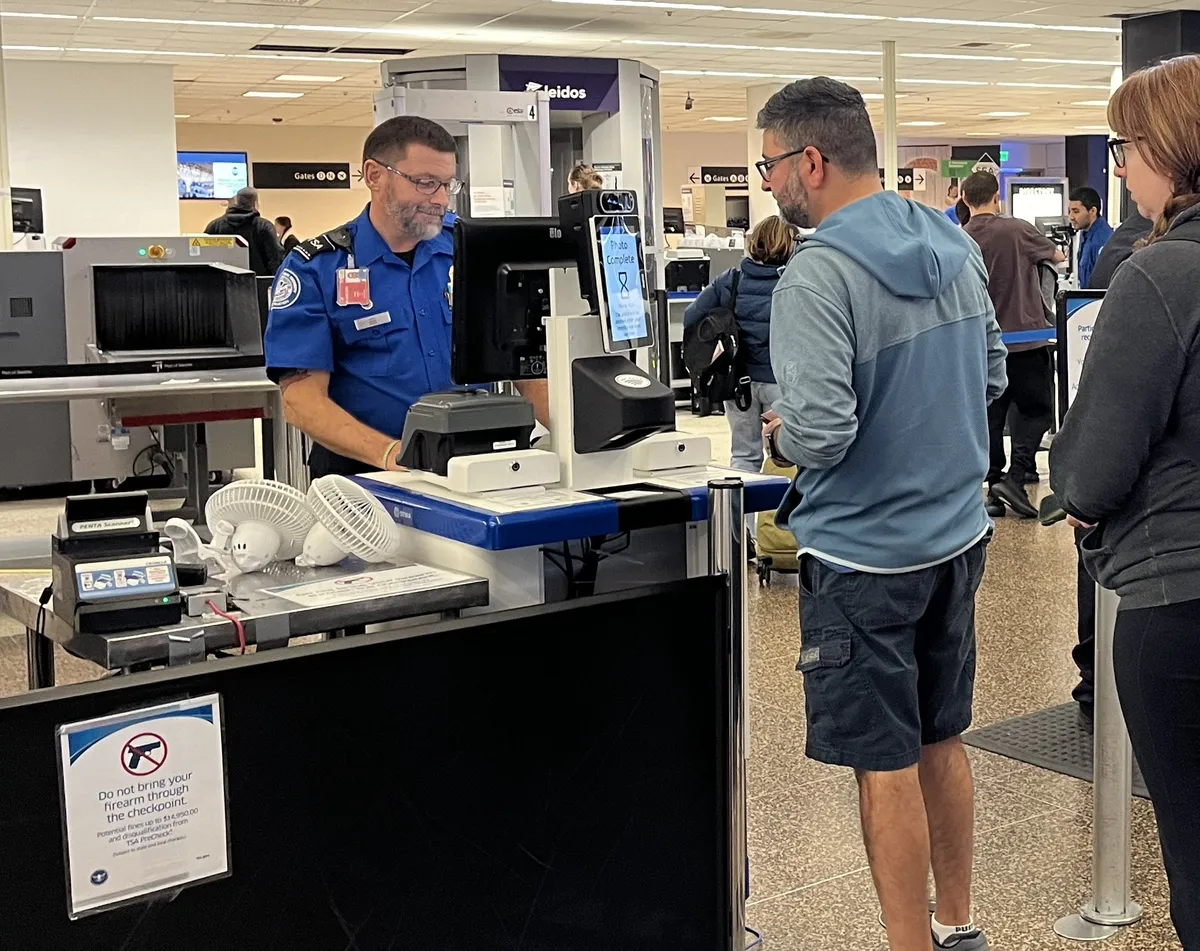
Before the proposed changes, the Transportation Security Administration (TSA) was a federal agency responsible for airport security across the United States. Travelers expected consistent security measures and protections for TSA agents, who were federal employees. The agency faced challenges during government shutdowns, leading to long security lines and heightened stress for both travelers and staff.
However, a decisive moment came when President Trump proposed expanding the privatization of TSA security in 2027. This proposal aims to ensure that screeners receive pay during future government shutdowns, a significant concern for workers and travelers alike. The 2027 budget proposal includes a request of $63 billion for the Department of Homeland Security (DHS), which is a decrease of $2.2 billion from the previous year. Within this budget, it is suggested that $52 million would be cut and saved from TSA’s privatization.
The immediate effects of this shift could be profound. The TSA has a screening partnership program that allows airports to utilize private contractors for security screenings. While this may lead to cost savings, as noted by the White House, there are concerns about the potential impact on worker pay and job protections. The TSA union has warned that privatization could result in reduced wages and benefits for workers, raising alarms about the quality of security provided at airports.
Moreover, the ongoing partial government shutdown has already caused significant disruptions, with the TSA’s call-out rate reported at 11%. This has led to hours-long waits at several major U.S. airports, frustrating travelers and raising security concerns. The situation has prompted Trump to direct DHS to ensure that TSA agents impacted by the shutdown receive payment, highlighting the urgency of addressing these issues.
Expert voices have weighed in on the implications of this proposed privatization. The White House has stated, “The airports that already use this program have demonstrated savings compared to Federal screening operations,” suggesting that privatization could be a viable solution to current inefficiencies. However, the potential risks associated with privatizing airport security cannot be overlooked, particularly in terms of maintaining safety standards.
In a notable incident, Pima County Sheriff Chris Nanos was stopped by TSA agents for carrying a loaded gun in his carry-on at Tucson International Airport. This incident, which occurred on November 6, 2024, underscores the importance of rigorous security measures. Although the sheriff was not charged and missed his flight, it raises questions about the effectiveness of current TSA protocols and the potential ramifications of privatization on security enforcement.
As the debate continues, the exact impact of TSA privatization on worker pay and security risks remains unclear. Details remain unconfirmed, and stakeholders are closely monitoring how these changes will unfold in the coming years. The outcome will likely shape the future of airport security and the experiences of travelers across the nation.