
What observers say
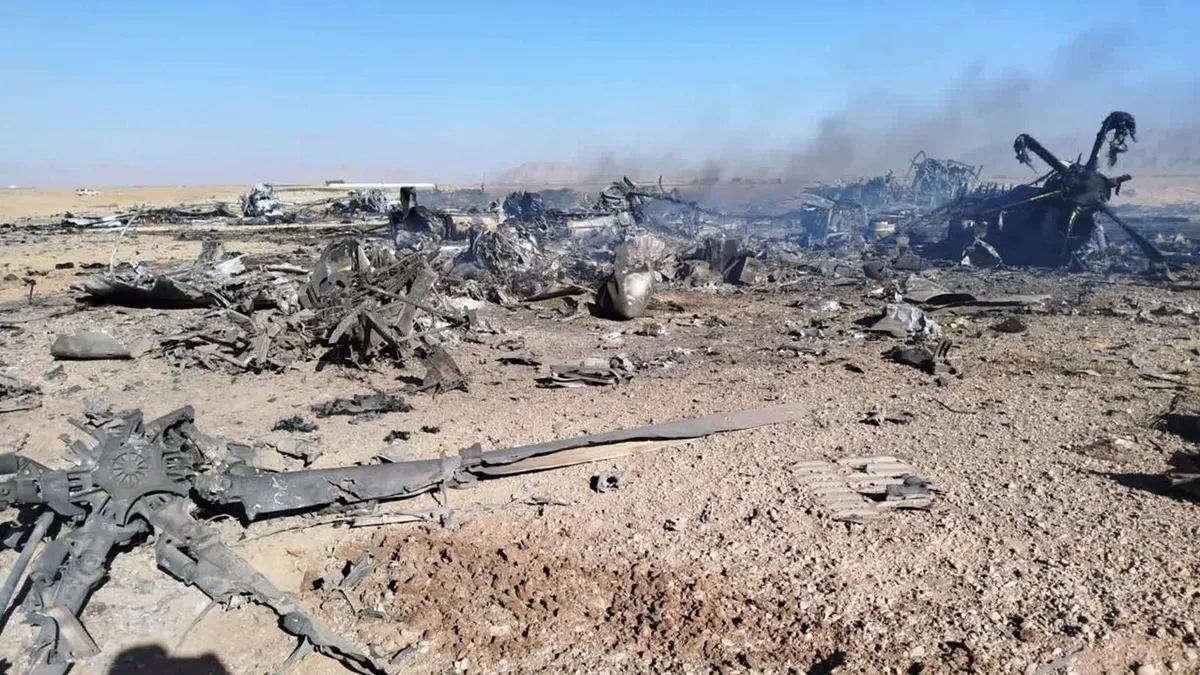
“¡Nunca dejaremos atrás a un combatiente estadounidense!” declared President Donald Trump, emphasizing the commitment of the United States to its servicemen during a recent military operation in Iran. This statement came after the successful rescue of two U.S. aviators whose aircraft had been shot down by Iranian forces. The operation, which took place on April 6, 2026, was a complex endeavor that involved a sophisticated campaign of deception orchestrated by the CIA to mislead the Iranian government.
The first pilot was rescued after enduring seven hours of daylight operations within hostile territory, while the second pilot was located hiding in a mountain crevice at an altitude of 2,133 meters (7,000 feet). The challenges faced during this operation were significant, including attacks on U.S. helicopters and technical failures of transport aircraft, which underscored the risks involved in such high-stakes military actions.
Trump characterized the rescue as a historic event, noting it was the first time two U.S. pilots were rescued separately in enemy territory. This operation not only showcased the capabilities of the U.S. military but also highlighted the ongoing tensions between the United States and Iran, particularly in light of recent events following the death of Supreme Leader Ali Khamenei in February 2026, which had escalated hostilities in the region.
In the aftermath of the rescue, Iranian state media reported that at least three individuals were killed in airstrikes in the vicinity where the U.S. pilot was believed to be located. This development further inflamed the already volatile situation, prompting Trump to issue a stern warning to Iran. He stated, “There are 48 hours left before hell breaks loose on them,” referring to the potential consequences if the Strait of Hormuz was not reopened, a critical maritime route for oil shipments.
In a related context, Iran leaked a 45-day counter-offer for a truce regarding its nuclear program, indicating a possible avenue for diplomatic engagement amidst the military tensions. However, the U.S. response has been firm, with Trump proposing a 10% cut from non-military discretionary spending while simultaneously advocating for a 40% increase in defense spending, amounting to a proposed $1.5 trillion for military expenditures.
As the situation develops, federal agents have also taken action against individuals connected to Iranian leadership, arresting Qassem Soleimani’s niece and grandniece in Miami after revoking their residence permits. This move reflects the broader strategy of the U.S. to apply pressure on Iran through various means, including military and legal actions.
While the successful rescue operation has been hailed as a moral triumph for Washington, it also raises questions about the future of U.S.-Iran relations and the potential for further military engagements. As both nations navigate this precarious landscape, the international community watches closely, awaiting the next moves in this high-stakes geopolitical chess game. Details remain unconfirmed regarding the full implications of these events on future U.S. military strategy and diplomatic efforts.