
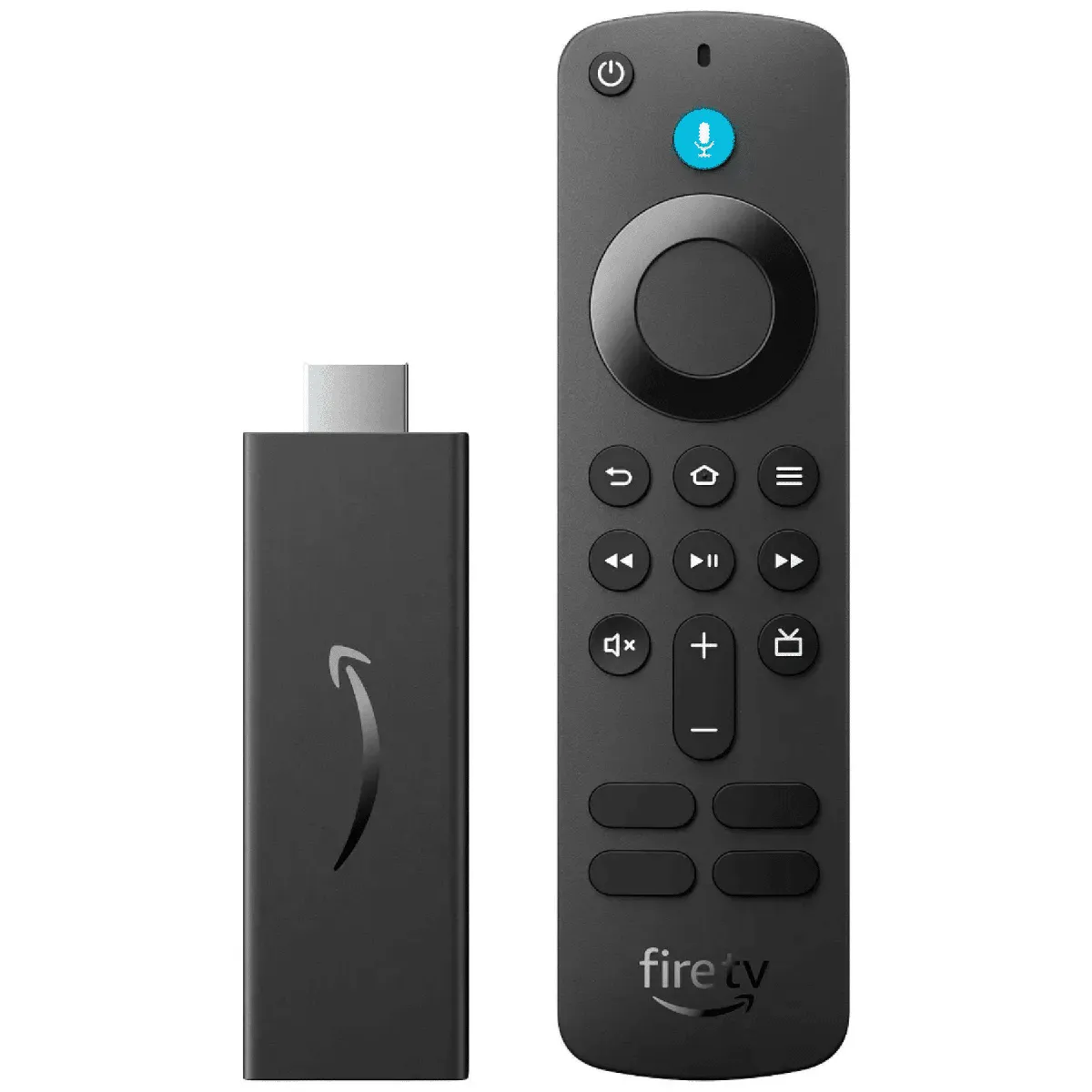
The recent class action lawsuit filed by Bill Merewhuader against Amazon.com Inc. and Amazon.com Services LLC has brought to light significant concerns regarding the marketing and functionality of the Fire TV Stick devices. The lawsuit alleges that Amazon misled consumers by selling these devices, which were purported to provide instant access to streaming content, while simultaneously rendering them unusable through software updates.
Merewhuader, who purchased two second-generation Fire TV Stick devices in 2018, claims that Amazon intentionally discontinued software support for older models, effectively ‘bricking’ them. This term refers to the practice of making devices non-functional despite their hardware remaining intact. According to the lawsuit, Amazon stopped providing software updates for first-generation Fire TV Stick devices in December 2022, leading to significant performance issues for users like Merewhuader.
The lawsuit highlights a troubling trend where consumers may not be fully aware that the core functionality of their devices could be diminished or eliminated before the hardware reaches the end of its useful life. Merewhuader argues that Amazon failed to disclose this critical information, which he believes constitutes a breach of contract and violates California consumer protection laws.
In his statement, Merewhuader emphasized, “Amazon misled consumers by selling Fire TV Stick devices that were unlawfully disabled through software updates.” This assertion raises important questions about the responsibilities of manufacturers in providing ongoing support for their products and the implications for consumer rights.
Furthermore, the lawsuit cites concerns raised by federal regulators regarding the practice of using software updates to restrict product functionality, a tactic described as ‘software tethering.’ This means that the usability of a product is contingent upon the manufacturer’s ongoing support, which can be revoked at any time.
The lawsuit seeks damages, restitution, injunctive relief, and attorneys’ fees, aiming to hold Amazon accountable for its practices. Observers note that this case could set a precedent for how technology companies manage software updates and consumer expectations moving forward.
As the legal proceedings unfold, it remains to be seen how Amazon will respond to these allegations and what impact this case may have on the broader landscape of consumer electronics. The outcome could influence not only Amazon’s practices but also those of other companies in the tech industry.
Details remain unconfirmed regarding the timeline for the lawsuit’s progression and potential outcomes, but it is clear that the implications of this case will resonate with consumers and manufacturers alike.