
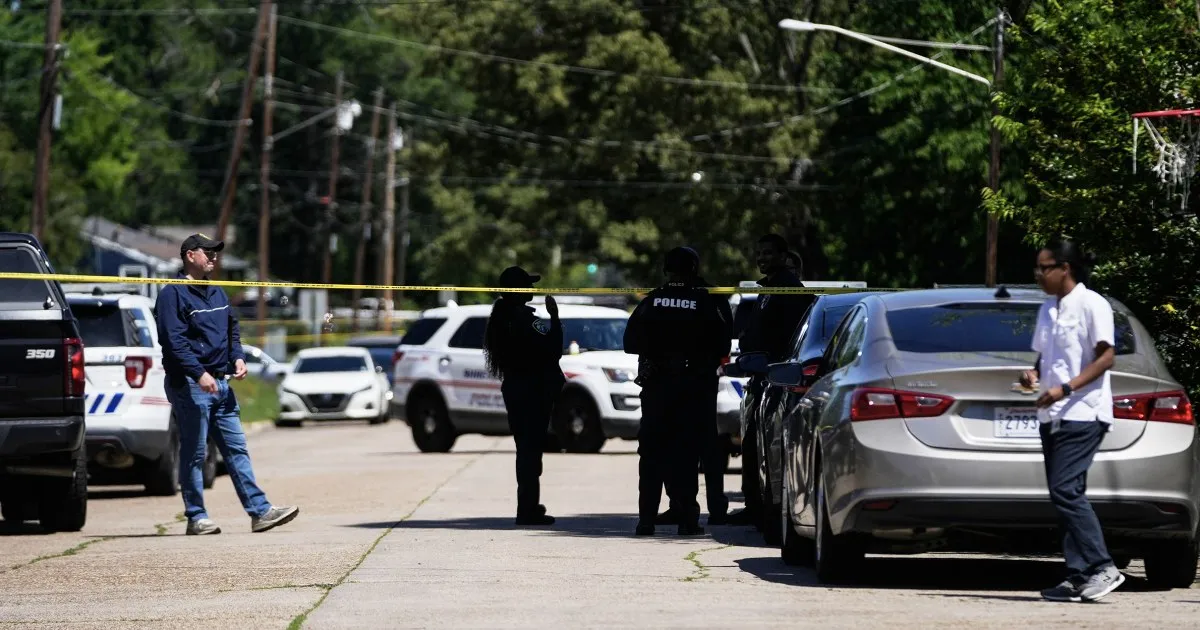
On April 19, 2026, a horrific incident unfolded in Shreveport, Louisiana. Before this day, the community had its share of struggles with violence, but nothing could prepare them for what was to come. The expectation was simple: families should feel safe at home. Yet that belief was shattered when a mass shooting occurred, claiming the lives of eight children.
The decisive moment came when Shamar Elkins—a 31-year-old man—turned a domestic dispute into an unimaginable tragedy. In a matter of minutes, eight children were killed, with ages ranging from just 3 to 11 years old. Seven of these children were his own; one was a cousin. The local authorities reported that two women, including Elkins’ wife, were critically injured during this violent episode. It’s hard to fathom how such devastation could erupt within a family.
Elkins fled the scene in a carjacked vehicle after the shooting. He was later confronted by police and killed. This shocking turn of events highlights the chilling reality of domestic violence incidents escalating into mass shootings—an all-too-common occurrence that leaves communities reeling.
That context matters because it reveals patterns. Prior to this incident, there were signs of distress; Elkins had expressed stress regarding his relationship with his wife and had a prior conviction for illegal use of a firearm. These factors raise critical questions about access to guns for individuals with histories of violence and mental health issues.
Experts have weighed in on the implications of this tragedy. Tom Arceneaux, a local official, described it as “maybe the worst tragic situation we’ve ever had in Shreveport.” Such statements underscore the deep emotional scars left behind—not just for the families affected but for an entire community grappling with grief and anger.
Yet amidst this sorrow, voices like Tabatha Taylor remind us of resilience: “This family and this community needs you.” There’s an urgent call for support and understanding as they navigate through this dark chapter.
Details remain unconfirmed regarding the exact motive behind Elkins’ actions or the nature of his relationships with the injured women involved. However, what is clear is that this incident stands as one of the deadliest mass shootings in recent U.S. history since January 2024.
In an age where discussions around gun control and domestic violence are more pertinent than ever, tragedies like this one force us to confront uncomfortable truths about safety and accountability within our communities. The aftermath will undoubtedly lead to calls for change—change that could prevent another family from experiencing such profound loss.