
Today’s NYT Connections puzzle has stirred interest, especially with the inclusion of the word Asiago in one of its groups. This isn’t just a random selection; the stakes are high for players aiming to group words correctly. The challenge lies not only in identifying connections but also in doing so without making four mistakes.
Released on April 23, 2026, this edition of the game presents four distinct groups: Yellow, Green, Blue, and Purple. Each color signifies a different level of difficulty—Yellow being the easiest and Purple the hardest. The Purple Group, where Asiago resides alongside Devote, Totoro, and Whammy, poses a unique challenge.
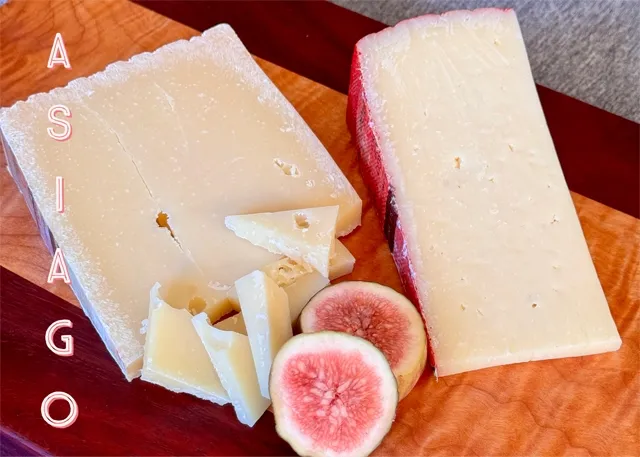
The inclusion of Asiago is particularly intriguing. Why would a cheese name find its way into a word puzzle? It speaks to the ever-evolving nature of language and culture. Just as a well-crafted dish requires a variety of ingredients to create depth, this game demands players connect seemingly unrelated words into coherent categories.
The Yellow Group features words like Flank, Neighbor, Skirt, and Touch. Meanwhile, the Green Group includes terms such as Historical, Literary, Pulp, and Science. The Blue Group rounds out the selections with Educated, Mother, My, and Very.
This daily puzzle not only entertains but also educates — it encourages players to think critically about language. Consider this your one and only warning: if you didn’t succeed today, don’t worry—there’s always tomorrow.
The mnemonic for remembering planets, “My Very Educated Mother Just Served Us Noodles,” illustrates how playful language can be. It’s a reminder that learning can happen anywhere, even within a game.
A new NYT Connections puzzle appears at midnight each day, keeping players engaged and eager for fresh challenges. As they navigate through these word groupings, they’re not just playing; they’re also participating in a cultural dialogue.
The excitement surrounding Asiago in today’s puzzle reflects broader trends in how we interact with language. Players are not merely solving puzzles; they’re engaging with words that evoke memories, experiences, and even tastes.
Yet, what remains uncertain is how these trends will evolve in future puzzles or whether new words will emerge to challenge our understanding further. Details remain unconfirmed as we await the next installment of this engaging game.