
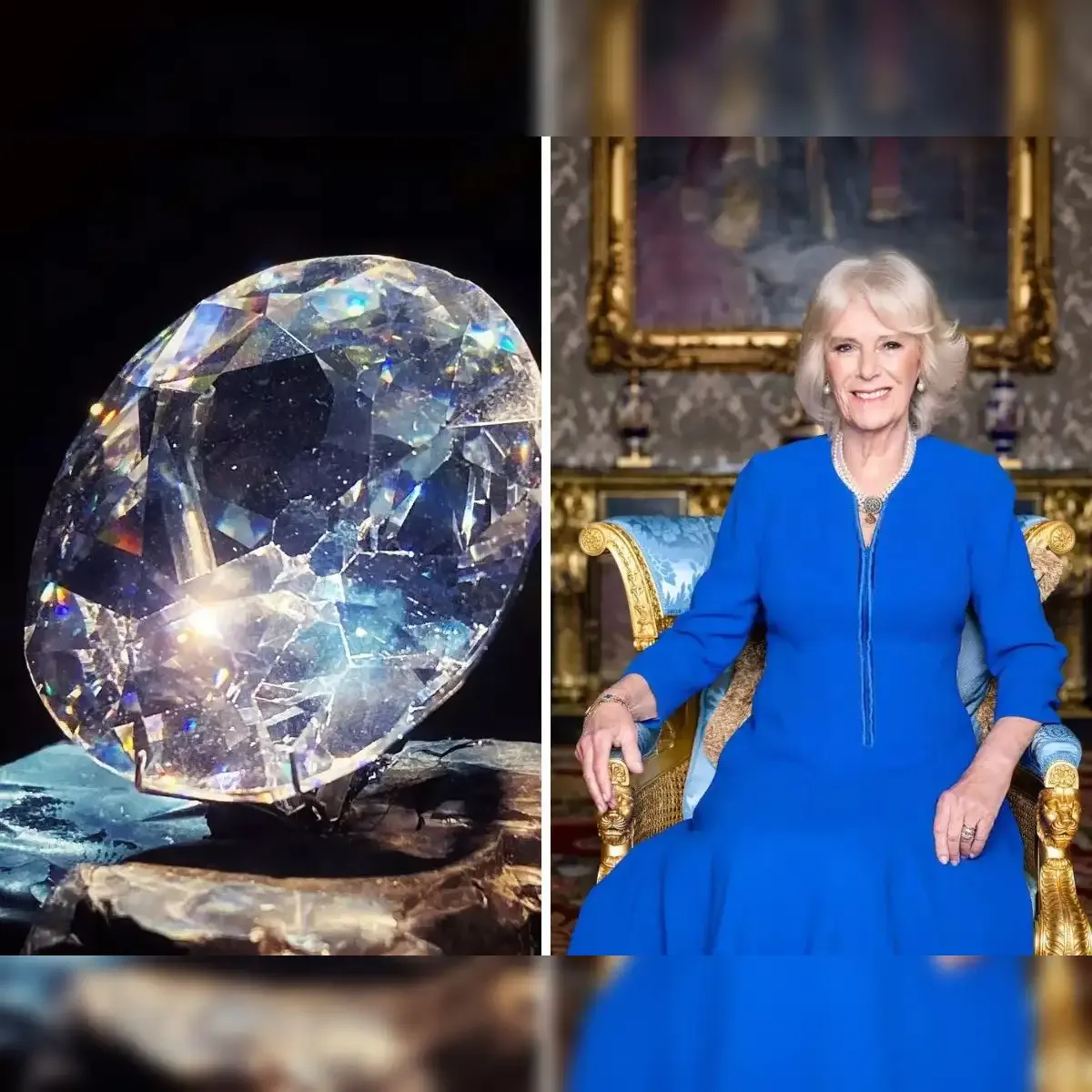
“If I were to speak to the king separately from that, I’d probably encourage him to return the Koh-i-noor diamond,” said New York City Mayor Zohran Mamdani. His statement comes as he prepares for a brief meeting with King Charles III, where he aims to address the contentious history surrounding this famed gem.
The Koh-i-Noor diamond, weighing 105 carats, has a storied past, mined in India and dating back to at least the 17th century. It became part of the British Crown Jewels after being forcibly taken from an Indian royal family by the British East India Company in 1849. This act was emblematic of colonial rule and has sparked ongoing debates about restitution.
That context matters because it frames India’s persistent demands for the diamond’s return since gaining independence in 1947. The Indian government has reiterated its claims multiple times, with the most recent request made in 2016. The diamond is often described as priceless—not just for its monetary value, but for its cultural significance.
The history of the Koh-i-Noor is intertwined with that of India’s Mughal emperors and Queen Victoria, who wore it as a symbol of imperial power. The debate over its rightful ownership raises questions about heritage and justice that resonate beyond borders.
In light of this historical backdrop, Mamdani’s remarks could carry weight during his upcoming discussion with King Charles. He aims not only to highlight a piece of art but also a significant chapter in colonial history that continues to affect relations between Britain and India.
The outcome of this meeting remains uncertain; no specific timeline has been shared regarding any potential negotiations or decisions about the diamond’s future. However, Mamdani’s intention underscores a growing acknowledgment of historical grievances that many nations are beginning to address more openly.