
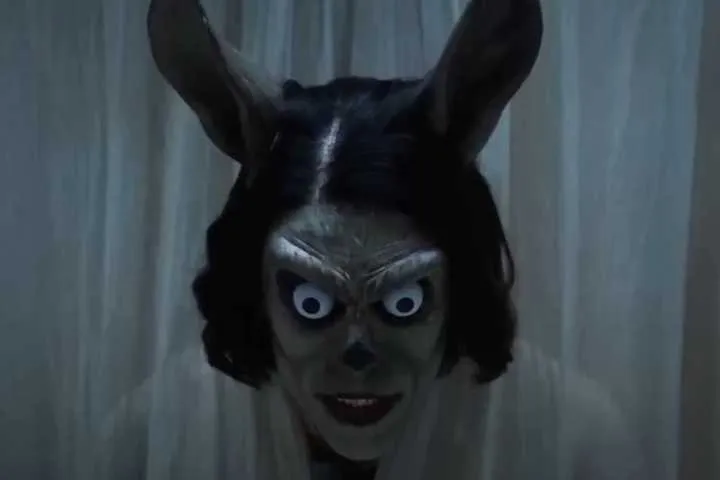
In Hokum, directed by Damian McCarthy, viewers are taken on a chilling journey through the eyes of Ohm Bauman, played by Adam Scott. This supernatural horror film unfolds in a haunted hotel located in rural Ireland, where Bauman travels to scatter his parents’ ashes. The setting itself—a place rumored to harbor dark secrets—sets the stage for an exploration of deep themes like trauma and loss.
The story begins with Ohm arriving at the hotel, a seemingly innocuous locale that quickly reveals its sinister nature. As he navigates the eerie corridors, he discovers that the hotel has a boarded-up honeymoon suite—a symbol of love turned tragic. From the outset, this juxtaposition of romance and horror hints at the emotional turmoil that will unfold.
As events progress, Bauman encounters various supernatural elements tied to Irish folklore, which amplify his personal struggles. The narrative cleverly intertwines his character trauma with the hotel’s haunting presence. It raises an intriguing question: how does one confront their past when it resurfaces in such terrifying forms?
That context matters because it deepens our understanding of Bauman as more than just a victim of circumstances; he embodies the struggle against his own demons. The film artfully employs jump scares and a claustrophobic atmosphere to keep audiences on edge while reflecting Bauman’s internal conflict.
As we venture further into the film, we learn about a witch held captive within the hotel’s walls—another layer to its dark history. Her presence serves as both a catalyst for horror and a metaphor for the characters’ entrapment by their own fears.
The middle section of Hokum has been described as “unbelievably good,” particularly due to its effective use of space within the hotel and its haunting honeymoon suite. Critics note that it creates an unsettling ambiance that lingers long after viewing.
In terms of runtime, Hokum spans 105 minutes, yet its pacing feels relentless—drawing viewers deeper into its web of dread. One reviewer even remarked on how effective it is at instilling feelings of unease: “I wished it were shorter, just so I could’ve stopped feeling so full of dread.” Such sentiments reflect how deeply this film resonates with its audience.
Ultimately, Hokum serves as more than mere entertainment; it engages with profound themes that resonate on multiple levels. By blending supernatural horror with character trauma, it invites viewers to reflect on their own experiences with grief and loss.
This film stands out not only for its storytelling but also for how it connects with cultural narratives around trauma—making it significant in today’s cinematic landscape.