
On April 30, 2026, James Broadnax was executed by lethal injection in Huntsville, Texas, for the 2008 robbery and murders of Stephen Swan and Matthew Butler. Despite a recent confession from his cousin, Demarius Cummings, who claimed to be the actual shooter, Broadnax’s fate was sealed.
This case highlights serious flaws within the criminal justice system. Broadnax was convicted in 2009 based on evidence that many now argue was insufficient. Cummings, who confessed to being the shooter, received a life sentence without parole for his involvement in the crime. Why did this happen? The answer lies in a combination of legal decisions and timing.
Broadnax’s execution took place at approximately 7 p.m. He was 37 years old at that time. His legal team had requested a 30-day reprieve based on Cummings’ confession and other new evidence. Yet, their plea fell on deaf ears as the U.S. Supreme Court denied his final appeal.
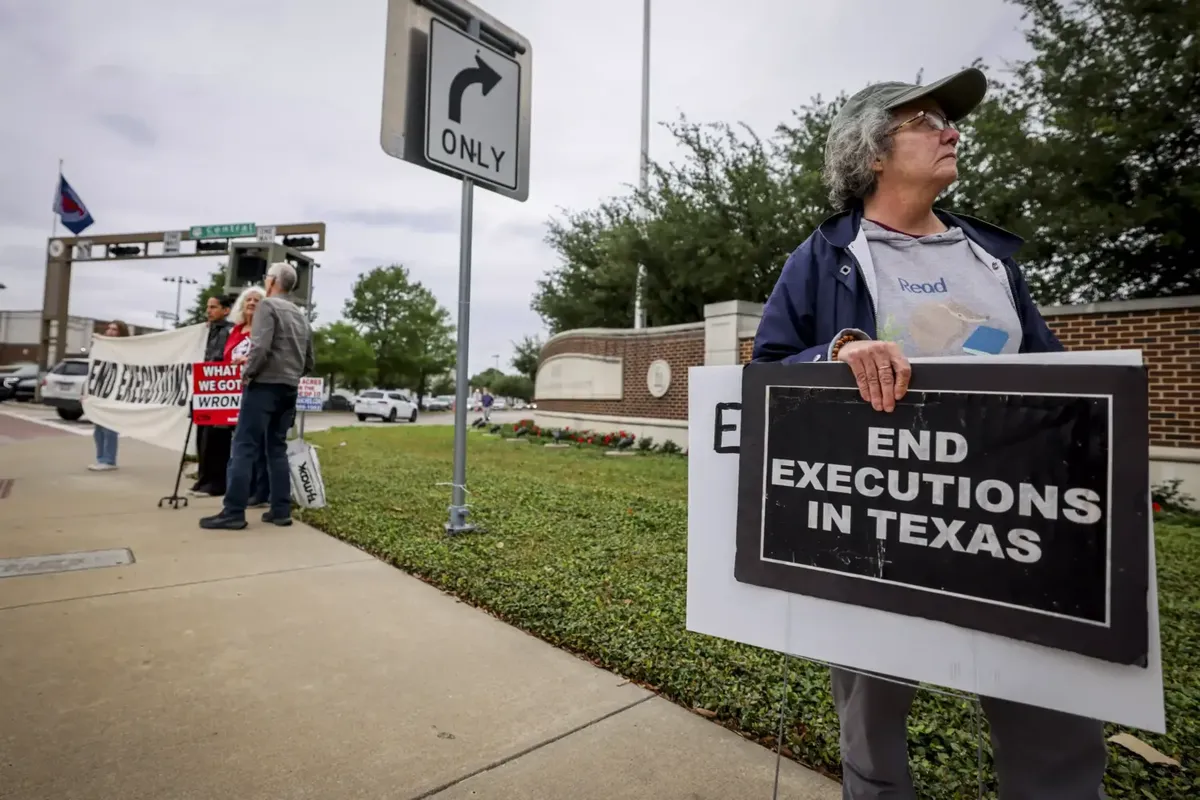
Public sentiment surrounding this case has been intense. More than 80,000 signatures were collected supporting clemency for Broadnax. Prayer vigils were held across Texas on the day of his execution, reflecting widespread concern over potential wrongful conviction. Many believe that the death penalty should not be applied when doubts about guilt exist.
In his last words, Broadnax prayed for the families of the victims and maintained his innocence: “I’m innocent; the facts of my case should speak for itself period.” This statement underscores a critical issue—what happens when new evidence surfaces too late?
Cummings’ confession adds another layer of complexity to an already troubling narrative. He stated, “I want to clear my conscience and do not want James to be executed for shooting two people when I was the one who committed those acts.” This admission raises questions about accountability and justice in cases involving multiple defendants.
The implications of this case extend beyond Broadnax himself; they touch on broader themes within the death penalty debate and wrongful convictions across the United States. As discussions about criminal justice reform continue, cases like this serve as stark reminders of its imperfections.