
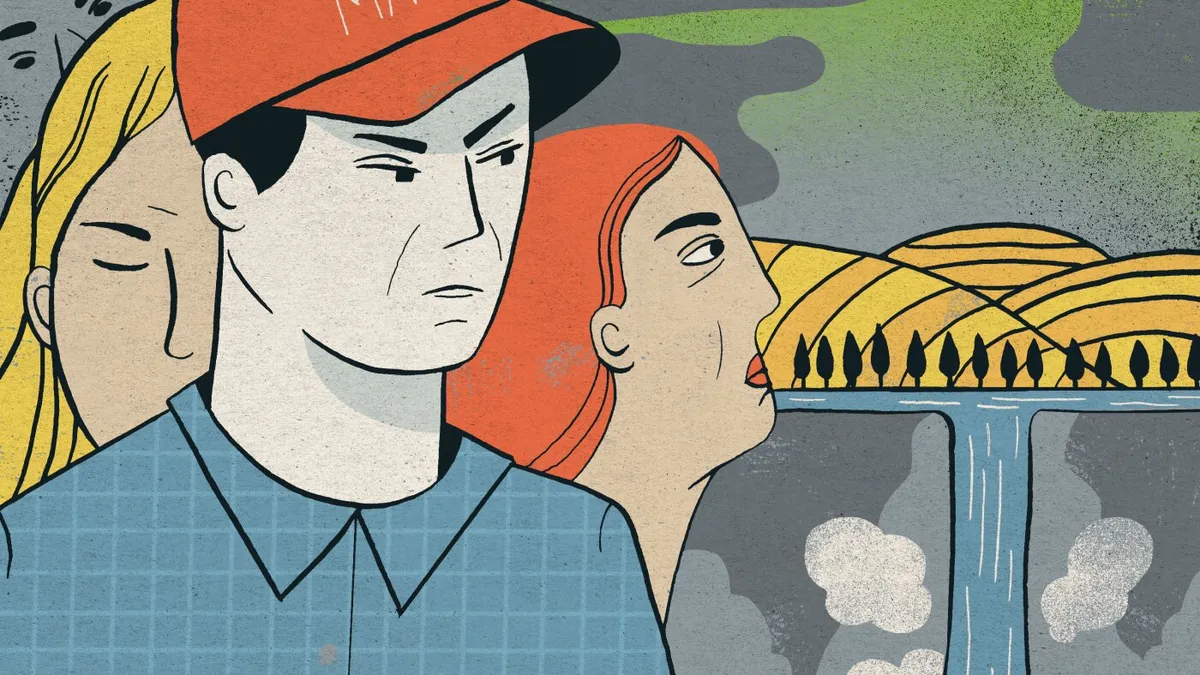
The MAHA movement is rallying against the Trump administration’s support for glyphosate, a widely-used herbicide known by the brand name Roundup. This clash underscores a significant conflict between health advocacy and the interests of pesticide manufacturers, especially as various studies link glyphosate to serious health risks.
Historically, glyphosate was introduced in 1974 by Monsanto and became prevalent during the late 1990s. For decades, many assumed it was safe due to its widespread use in agriculture. However, everything changed when the World Health Organization concluded that glyphosate is “probably carcinogenic.” This decisive moment shifted public perception and ignited legal battles.
This shift has had immediate repercussions. Bayer, which acquired Monsanto, has agreed to pay over $12 billion in legal settlements related to glyphosate. Moreover, the Trump administration issued an executive order supporting the expansion of glyphosate production, leading to increased application rates—especially in California’s forests where 266,000 pounds were sprayed in 2023 alone.
That context matters because it highlights how regulatory decisions can impact public health. The Environmental Protection Agency (EPA) has rolled back drinking water standards and weakened protections against air pollutants under this administration. Critics argue that these actions prioritize industry profits over environmental health.
The MAHA movement criticizes these regulatory changes fiercely. Activists argue that you cannot claim to care about health while protecting poison. Vani Hari, a prominent advocate, stated bluntly: “You cannot claim to care about health while protecting poison.” Such sentiments resonate with many who fear for their safety.
As legal battles continue, environmental advocacy groups are locked in conflicts with government bodies over toxic chemical regulations. Experts like David Murphy express concern about the direction of policy: “It’s really pretty appalling that they’ve gone down this road.” The dismantling of independent research offices within the EPA raises further alarms regarding transparency and accountability.
Looking ahead, the Forest Service plans to spray glyphosate on 10,000 acres of public land in Lassen starting in spring 2026. This decision has sparked outrage among environmentalists who see it as an extension of harmful practices rather than a solution to forest management issues. Glyphosate is used to kill competing plants to help commercially attractive conifers rebound faster after fires—but at what cost?
Bayer maintains its position that its herbicide is safe when used as directed. However, as public scrutiny intensifies and legal challenges mount, it remains uncertain how this will affect future pesticide regulation and public trust.