
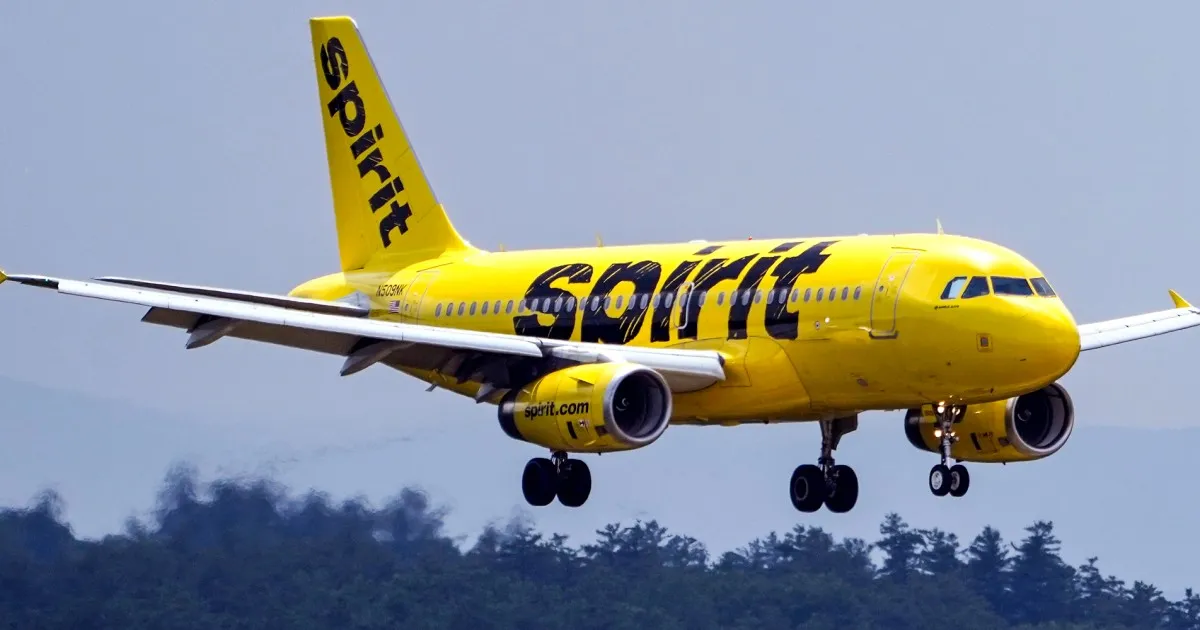
Spirit Airlines is on the brink of shutting down as negotiations for a federal bailout stall, putting approximately 14,000 jobs at risk. The airline has faced significant financial struggles, exacerbated by soaring jet fuel prices, leading to a staggering $60 million loss in just the first two months of 2026.
This dire situation comes after years of challenges for Spirit Airlines, one of five ultra-low-cost carriers in the U.S. The Trump administration proposed a $500 million bailout to save the airline, but negotiations have not progressed as expected. If Spirit Airlines ceases operations, it would mark the first major U.S. carrier liquidation since the 2008 recession.
That context matters because it reflects broader issues facing budget airlines today. A group representing these carriers has requested an additional $2.5 billion from the Trump administration to help mitigate rising fuel costs. This is a critical moment not just for Spirit but for the entire sector struggling under similar pressures.
In addition to financial woes, Spirit Airlines previously attempted to merge with JetBlue, but antitrust rules blocked that plan. This history raises questions about how regulatory environments affect competition and survival among budget airlines.
The response from officials has been mixed. Donald Trump stated, “We’re looking at it. But if we can’t make a good deal… no institution has been able to do it.” Meanwhile, Sara Nelson has urged Trump to take action, saying, “If @realDonaldTrump wants to help @SpiritAirlines he can do it.”
Despite these statements, uncertainty lingers around the exact terms of any bailout proposal and whether government intervention will come in time to prevent shutdowns. As of May 2026, Spirit’s available cash was expected to last only days.
While Spirit Airlines maintains that operations continue as usual—according to a spokesperson—the reality is stark. Thousands of employees face an uncertain future as talks drag on and financial resources dwindle.
The stakes are high not just for Spirit Airlines but also for the broader aviation industry and its workforce as they navigate these turbulent times.