
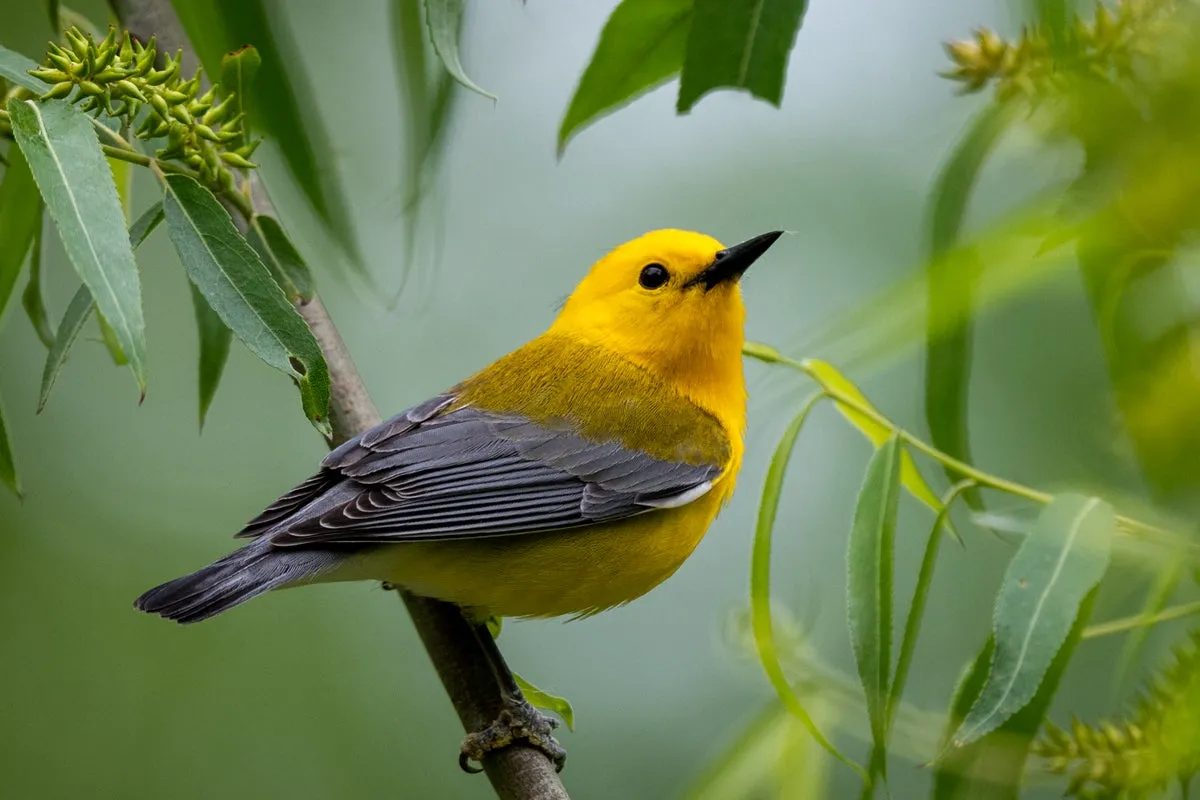
A new study indicates that urban birds display a notable difference in their reactions to men and women, showing more fear towards women. This research sheds light on the behavioral dynamics of various bird species as they navigate their environments.
The findings reveal that these birds can actually recognize the sex of humans approaching them. Specifically, they tend to flee from women at a distance of one meter closer than they do from men. This is particularly significant given that 147 million birds are predicted to take wing over North America tonight as spring migration peaks.
That context matters because it highlights the ongoing challenges faced by bird populations. Since 1970, North America has lost approximately three billion birds, making it crucial to understand how urban environments affect their behavior and survival.
Interestingly, fledglings—young birds learning to fly—are part of these urban ecosystems. As they develop, understanding their interactions with human presence becomes vital. The American Robin, for instance, serves as a natural alarm clock for those engaged in bird watching, singing at daybreak and providing clues about local avian activity.
Despite the compelling nature of this study, researchers have yet to clarify why urban birds exhibit a greater fear of women compared to men. Professor Daniel Blumstein remarked on the unexpected nature of these results: “I fully believe our results… but I can’t explain them right now.” This uncertainty leaves room for further investigation.
The broader implications of such behavioral differences could inform conservation strategies as urbanization continues to encroach on natural habitats. With over 10,000 bird species existing today, understanding the nuances of their interactions with humans becomes increasingly essential.
As we observe changes in bird vocalizations and behaviors during migration seasons, it’s clear that every detail counts. The intricate dance between urban life and wildlife is ongoing—each flight taken by these birds tells a story of adaptation and survival.