
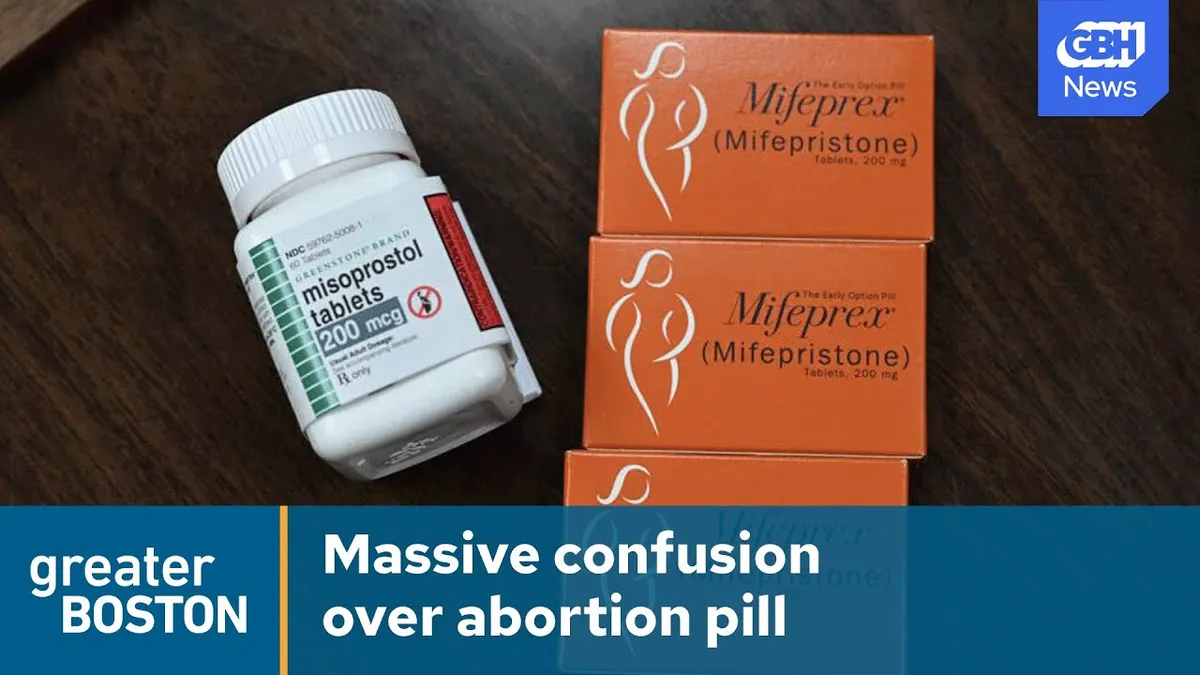
A federal appeals court ruling has significantly restricted access to mifepristone by blocking its mailing, impacting abortion services across the U.S. This decision from the 5th U.S. Circuit Court of Appeals affects patients’ ability to obtain medical abortions through telehealth prescriptions, which have become increasingly vital for many seeking reproductive health care.
Understanding this ruling requires looking back at how we arrived here. Mifepristone was approved in 2000 as a safe and effective way to end early pregnancies. For years, the FDA imposed strict limits on who could prescribe and distribute it, primarily due to safety concerns. However, in April 2021—amid the COVID-19 pandemic—the FDA temporarily lifted the in-person dispensing requirement for mifepristone, later making this change permanent in 2023.
That context matters because it highlights how quickly regulations can shift. The recent court ruling now requires mifepristone to be distributed only in-person at clinics, reversing progress made during the pandemic when telehealth prescriptions became a common practice. This is particularly concerning as about 1 in 4 abortions nationally are prescribed via telehealth.
The implications are profound. Mifepristone is involved in most abortions in the U.S., and restricting its mailing affects not just those seeking abortions but also those needing miscarriage care. As Julia Kaye from the ACLU stated, “This is going to affect patients’ access to abortion and miscarriage care in every state in the nation.”
Legal experts expect Danco Laboratories and GenBioPro—key players behind mifepristone—to appeal this ruling to the Supreme Court. The conservative-majority court previously overturned Roe v. Wade in 2022 but preserved access to mifepristone in 2024, creating a complex legal landscape for reproductive rights.
As this situation unfolds, several questions linger: Will the Supreme Court uphold this latest ruling? How will states like Louisiana, which have stringent abortion laws, respond? These uncertainties add an additional layer of complexity to an already fraught issue.
The debate surrounding mifepristone encapsulates broader tensions over reproductive rights and health care access in America. As Carol Tobias from National Right to Life remarked, “Women deserve better than an abortion-by-mail system that prioritizes ideology over safety.” This highlights a fundamental clash between differing perspectives on women’s health care and reproductive freedom.
As legal battles continue, all eyes will be on how these rulings shape not just abortion access but also public health policy moving forward.