
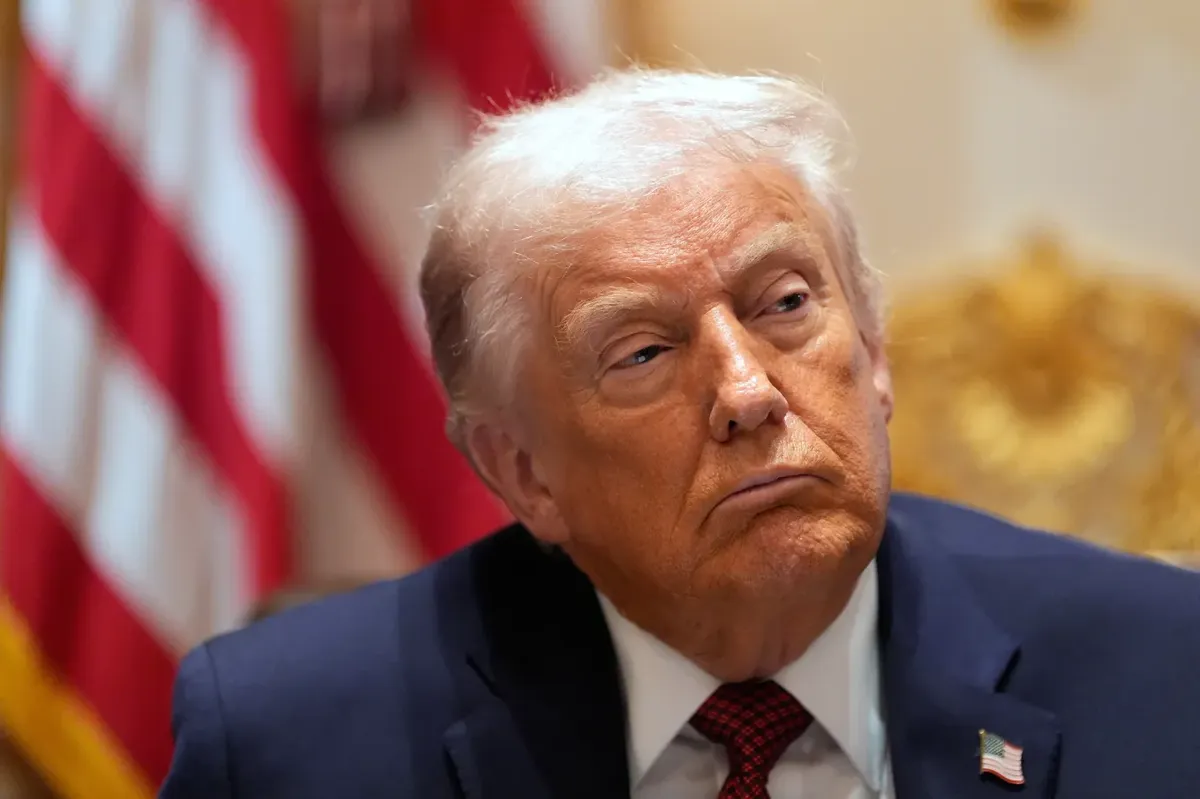
According to a recent ABC News/Washington Post/Ipsos poll, Trump’s approval rating has dipped to 37%, the lowest of his presidential term. This decline comes as many Americans express dissatisfaction with his management of critical issues such as the economy and the ongoing conflict involving Iran.
Context matters here. Two-thirds of Americans believe the country is headed in the wrong direction. Many cite rising costs of living and economic instability as key factors fueling their discontent. In fact, 76% of Americans disapprove of how Trump is handling these economic challenges.
Consider the implications for Trump and the Republican Party. While 85% of Republicans still approve of Trump, only 45% strongly support him, down from 53% just last month. This fluctuation indicates that even among his base, confidence is waning.
Independents have been particularly critical; Trump’s approval among them has plummeted to just 25%. This demographic could play a pivotal role in the upcoming midterm elections, making their discontent especially concerning for GOP strategists.
Moreover, Trump’s handling of international issues has also drawn criticism. Approximately 66% of Americans disapprove of his approach to Iran, particularly in light of recent military actions. The conflict escalated when the U.S. and Israel launched strikes aimed at curbing Iran’s nuclear ambitions.
This dissatisfaction over foreign policy mirrors sentiments regarding domestic issues. A staggering 65% disapprove of Trump’s management of the economy overall, which compounds challenges for his administration moving forward.
The stakes are high as we approach the midterms. If these trends continue, they could jeopardize Republican candidates who align closely with Trump’s policies.
As Trump himself stated, “Every single American at every income level — there’s more money in their pockets this week because of the Republican tax policies.” Yet, this assertion clashes with public sentiment reflected in current polling.
The upcoming months will be crucial for both Trump and the Republican Party as they navigate these turbulent waters. With nearly half (46%) of Americans indicating that Trump is ‘too conservative,’ a shift may be necessary to regain broader support.