
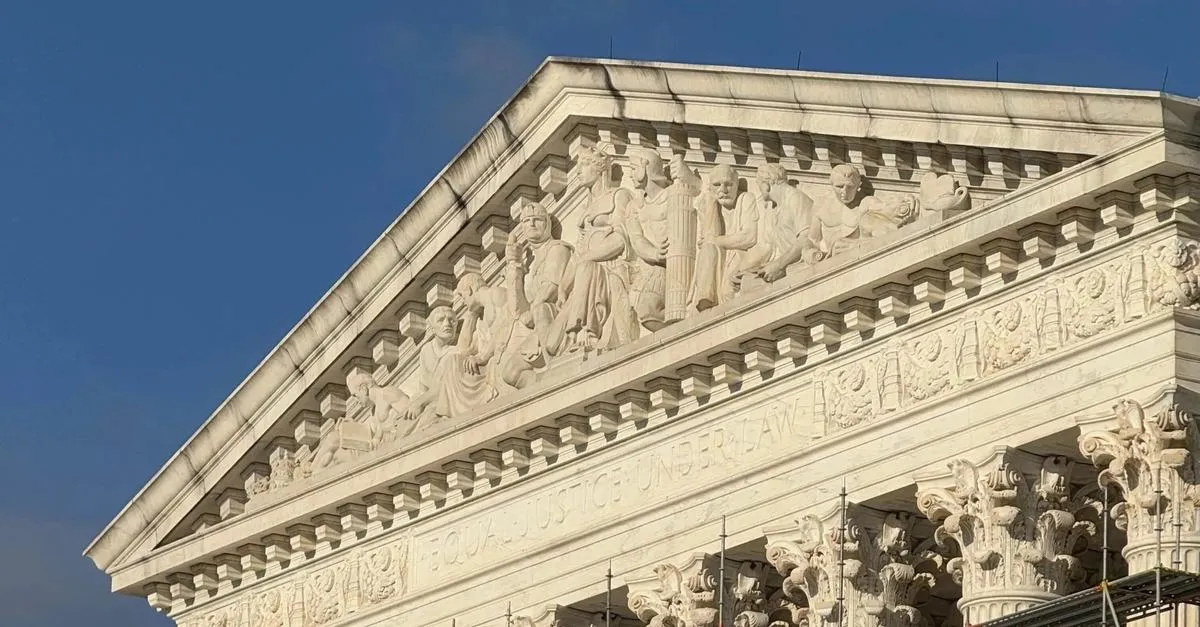
The U.S. Supreme Court’s ruling in Louisiana v. Callais has dramatically altered the landscape of voting rights in America, allowing states to engage in discriminatory practices that undermine decades of progress. This decision, issued on April 29, 2026, marks a pivotal moment in the ongoing struggle for equitable voting representation.
Prior to this ruling, the Voting Rights Act served as a crucial federal protection against racial discrimination in elections for over sixty years. Many expected that Section 2 would continue to safeguard minority voters by ensuring fair representation through congressional maps that reflect their demographics. However, this expectation has been shattered.
The Supreme Court’s 6-3 decision weakened Section 2 of the Voting Rights Act, making it easier for states to create discriminatory voting maps and laws. The ruling struck down a congressional map in Louisiana that had allowed Black voters to elect candidates of their choice—an essential aspect of democratic representation.
This change raises critical questions about the future of voting rights: How will this affect minority representation? The immediate impact is troubling; new evidentiary hurdles now complicate voters’ ability to challenge racially discriminatory maps. This could lead to the elimination of majority-minority districts in southern states, diminishing the political power of communities of color.
Experts have voiced concerns about these developments. Thomas A. Saenz remarked that historically, “The Voting Rights Act has been primarily used to help the state’s growing Latino population achieve political representation from the 1960s to the 1990s.” Justice Elena Kagan added that this legislation “ushered in awe-inspiring change,” highlighting its importance in promoting democracy and racial equality.
The implications extend beyond Louisiana; states across the country may now feel emboldened to enact similar measures without fear of federal oversight. For instance, California’s congressional districts remain unchanged, despite redistricting efforts favoring Democrats—an ironic twist given the broader national context.
Key statistics:
- The ruling allows states to enact discriminatory voting maps and laws.
- Potentially 12 Democrats could be ousted due to redistricting changes.
- Only two opportunity districts for Black voters remain in Louisiana.
This situation underscores a critical juncture for Congress and state legislatures alike. They may need to step up and enact new protections against racial and partisan discrimination in redistricting. As advocates push back against these changes, there remains uncertainty about how effectively they can safeguard voting rights moving forward.