
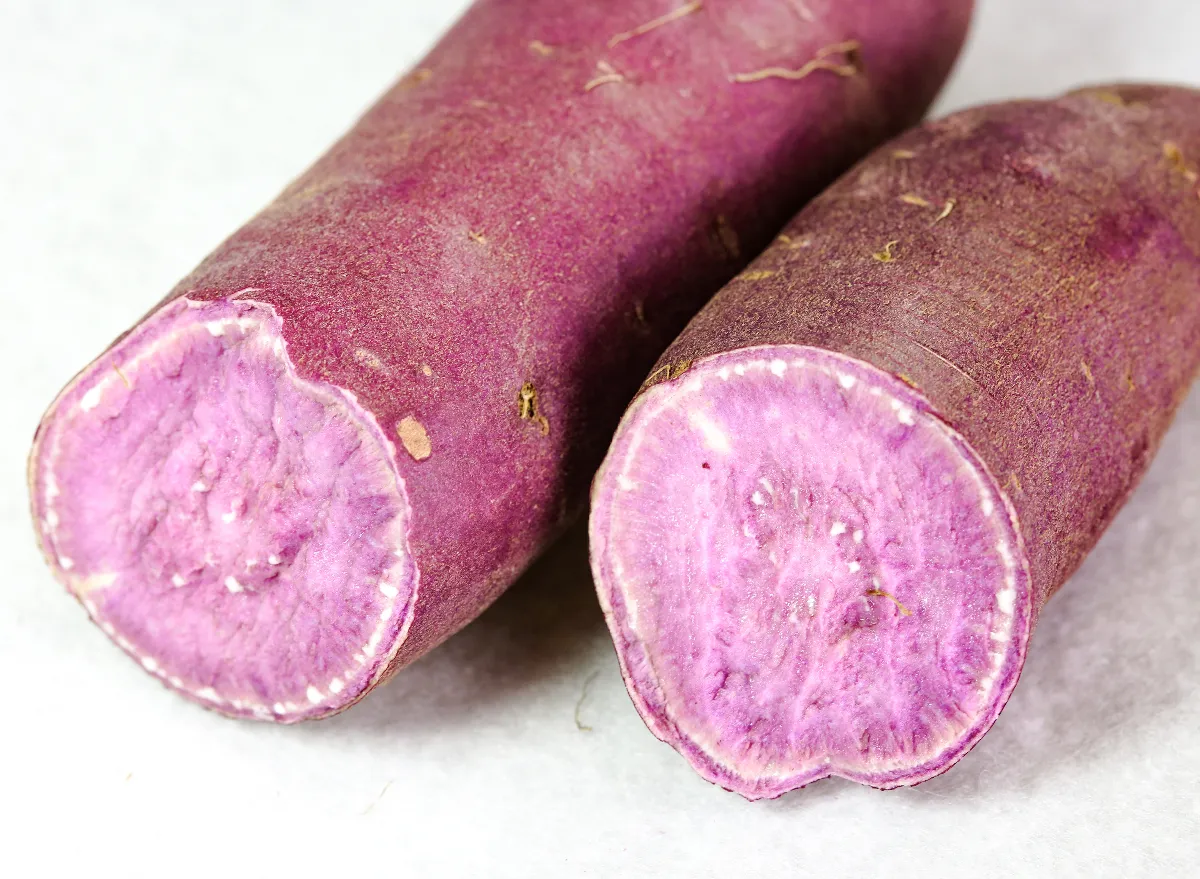
“If we want to get the high-quality ube, I think we have to be on-site, because you have to feel, you have to see, you have to test,” said Jeffrey Cesari, who is launching an ube latte mix named Ube Signature Paris. Ube has rapidly emerged as a global food trend, surpassing matcha in popularity within just four years. This purple yam, native to the Philippines, is now a staple in various culinary creations worldwide.
Key statistics:
- Ube has grown 230% on restaurant menus in the US over the past four years.
- 27% of US consumers know what ube is, up from just 15% five years ago.
- Starbucks added an iced ube coconut macchiato to its menu in March 2026.
That context matters because it highlights how quickly consumer tastes can evolve. Rhea Topacio noted, “There’s a surge of ube. People are always looking for something new. Especially in the times right now, everything is on social media.” The demand for unique flavors drives restaurants and cafes to explore ingredients like ube.
However, this surge comes with challenges. Ube production in the Philippines declined by 6.7% in 2025 compared to the previous year. The exact reasons for this decline remain unclear, but it raises concerns about sustainability and availability. On the flip side, the Philippines exported nearly 1.7 million kilograms of ube in 2025—a significant increase of 20% from 2024.
The growing popularity of ube also impacts pricing. Raw ube prices have risen about 38% compared to two years ago, affecting both producers and consumers alike. As Grace Backian pointed out, “As of this time, it is the traders who really benefit if there are increases in the price of ube.” This situation creates a disconnect between farmers and market prices.
Yet, despite these challenges, the excitement around ube continues to grow. More brands are incorporating it into their offerings as consumers seek out this vibrant ingredient known for its distinctive color and flavor profile. As Topacio remarked, “There’s a missing link between the farmers and the market,” indicating that addressing this gap could further enhance the success of ube in global markets.