
Round 2 selections and player analysis
In the second round of the 2026 NBA Draft, several teams made their selections, with analysis focusing on player potential and team fit. Houston Rockets picked Bruce Thornton at pick 31. Thornton, a 6-foot guard, is noted for his scoring ability and well-rounded on- and off-ball skills. While concerns exist about his defensive game, his power is seen as a potential asset for overcoming his size. One analyst noted that the Rockets traded draft capital to move up eight spots for Thornton, who might have been available later.
The Memphis Grizzlies selected Richie Saunders at pick 32. Saunders is described as a reliable shooter off the catch and a smart defender. His game is considered to have a straightforward translation to the NBA, with potential to be a role player. Saunders is currently recovering from a torn ACL; one report suggests he might play the first half of the year on a two-way deal while rehabilitating. Before his injury, Saunders was considered a potential late first-round pick.
At pick 33, the Minnesota Timberwolves chose Isaiah Evans. Evans, a 6-foot-6 player, is recognized for his shooting ability, clean shot, and strong footwork. His potential hinges on improving his strength, defense, and decision-making. One analyst expressed enthusiasm for this pick for Minnesota, highlighting Evans’ shooting as a needed skill alongside Anthony Edwards.
The Cleveland Cavaliers drafted Meleek Thomas at pick 34. Thomas, a 6-foot-3 player, is noted for his fearless play and potential as a top shooter. However, concerns were raised about his team defense, shot selection, and inconsistent vision. He is viewed as a developmental player who needs to refine fundamental aspects of his game before being ready for the NBA. This pick is seen as a way for the Cavaliers to add young talent and manage their salary cap.
The Denver Nuggets selected Trevon Brazile at pick 35. Brazile, a 6-foot-10 player, is an elite athlete with defensive capabilities and shooting potential. Despite his athletic gifts, his motor and consistency have been noted as areas for improvement. Some observers believe that if he plays with more urgency, he could become a highly impactful player.
Team strategies and draft outcomes
The Memphis Grizzlies were identified as a winner in the 2026 NBA Draft, particularly for their moves outside the lottery. They acquired five additional second-round picks by trading down in the draft order. This surplus of second-rounders was then utilized in Round 2, including trading three of them to the Detroit Pistons for Isaiah Stewart. Stewart is seen as a strong backup center, offering three-point range and defensive versatility, and his contract is considered a bargain for Memphis.
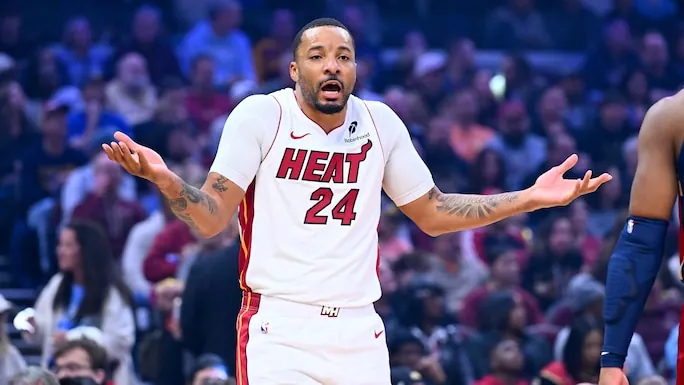
The Miami Heat faced challenges related to salary cap constraints, particularly after acquiring Giannis Antetokounmpo. The team is hard-capped at the first apron, making it difficult to retain players like Norman Powell. Reports suggest that even with potential player opt-outs, the Heat may struggle to match market offers for Powell, whose per-year salary is expected to be significant.
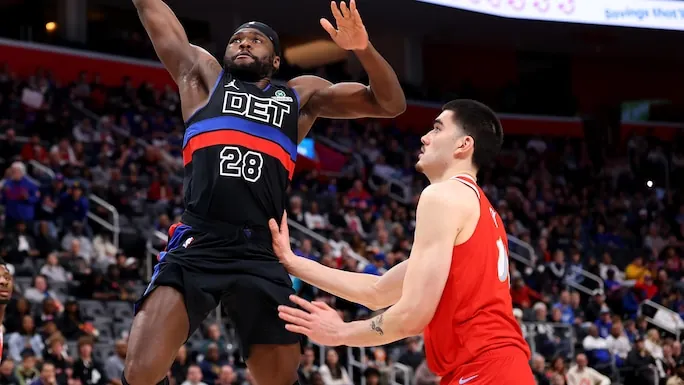
Jalen Duren of the Detroit Pistons is also considered a winner from the draft period. With Isaiah Stewart traded to the Grizzlies, the Pistons have fewer rotation bigs under guaranteed contracts, which could increase their need to secure Duren. While he may not receive a supermax contract, Duren’s chances of securing a regular max contract are believed to have improved.
The Boston Celtics were noted for reportedly taking calls on Jaylen Brown, a two-time All-NBA wing. The motivation behind this remains unclear, with factors such as Brown’s contract balance and his desire to be a primary option potentially at play. The willingness to move Brown has been publicly reported multiple times, potentially impacting working relationships within the team.
Conversely, potential suitors for Jaylen Brown are seen as beneficiaries of this situation. His availability, previously thought to be limited to a trade for Giannis Antetokounmpo, has broadened. The repeated public reports of Boston’s willingness to trade Brown could strengthen the negotiating position of interested teams, potentially allowing them to acquire him without necessarily offering another All-NBA player in return.
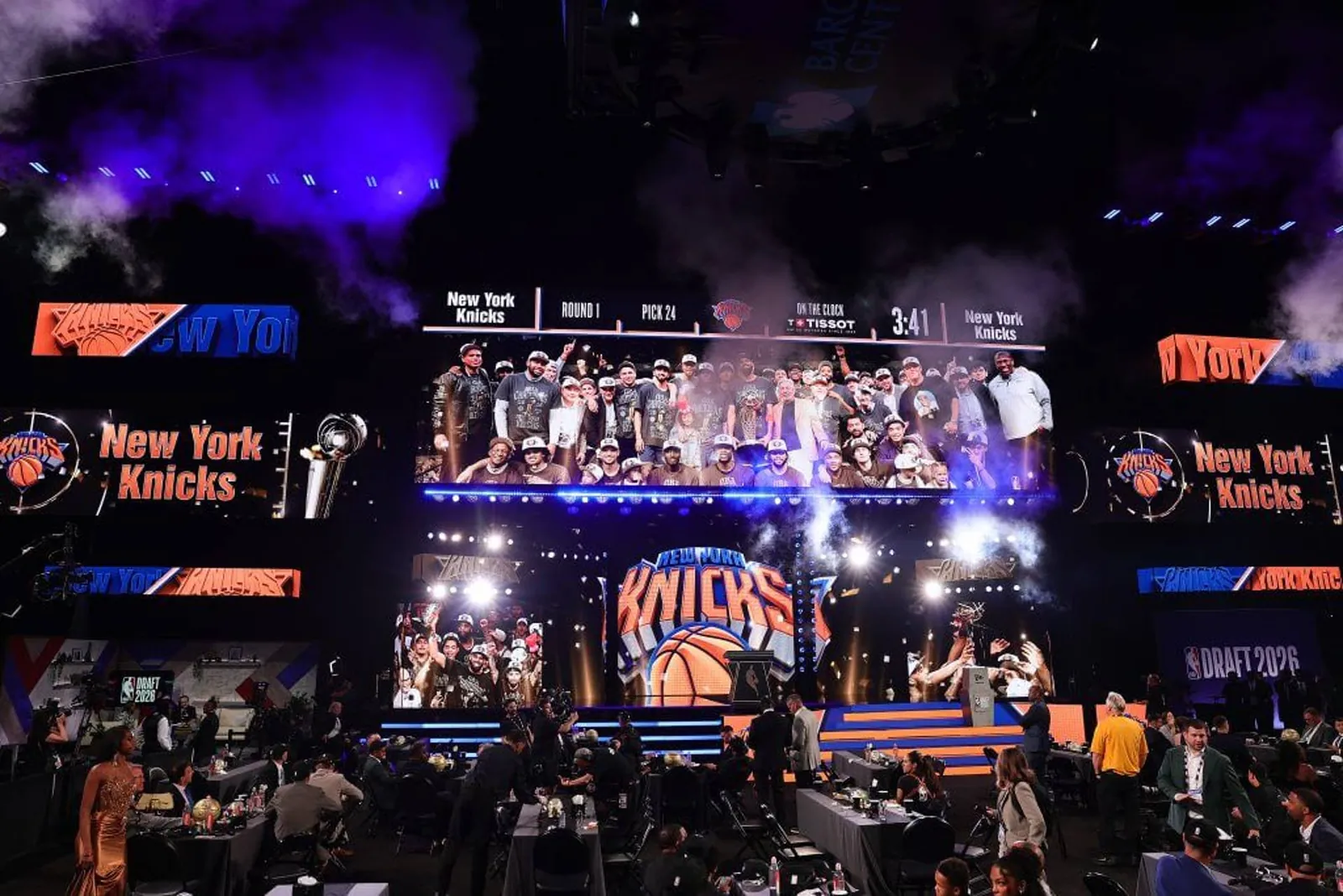
The New York Knicks traded out of the first round and moved down in the second round, reportedly to save money and avoid the second apron. This strategy suggests the Knicks are operating with a focus on managing their salary cap, with one report indicating they aim to stay below the $221.7 million threshold.
Source: nytimes.com