

Teams assess trade deadline strategies
As the MLB trade deadline nears, teams are evaluating their positions as potential buyers or sellers. The expanded playoffs and a competitive American League have resulted in fewer clear sellers, with many teams still in contention. This has led to a dynamic environment where only a limited number of buyers are in a strong position to be aggressive.
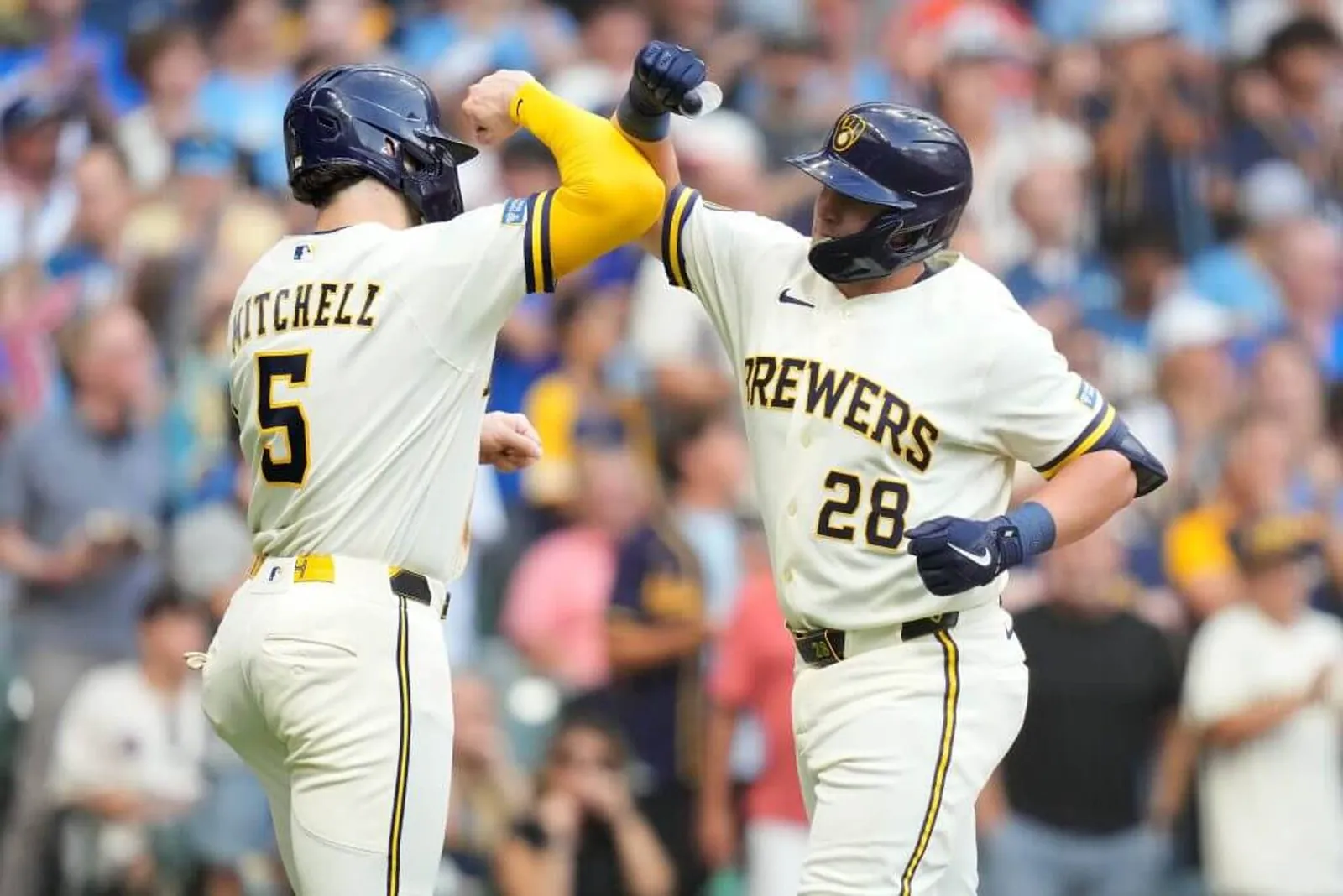
Some teams are considered aggressive buyers due to their strong championship aspirations or their need for a significant boost to reach the postseason. The New York Yankees, for instance, see the current American League landscape as an opportunity to pursue a pennant. The Milwaukee Brewers, who had a strong record last year, are also looking to make major additions to challenge teams like the Los Angeles Dodgers. The Philadelphia Phillies and Chicago Cubs are also in this category, facing a time crunch with their current rosters.
The Pittsburgh Pirates are another team that could buy aggressively, as they are in the race for the third wild card alongside the Miami Marlins and Arizona Diamondbacks. The Pirates possess a strong run differential and third-order winning percentage, and a significant acquisition could help them reach the postseason.
Shifting team statuses and key players
Several teams are categorized as typical buyers, holding postseason odds of at least 70 percent and legitimate chances to win their divisions. While these teams could be aggressive, a minimum goal is to add pieces to solidify a postseason berth. Other teams are trending towards being buyers, such as the Texas Rangers and Chicago White Sox, who lead their divisions but are approaching the deadline with some caution.
The Boston Red Sox and Baltimore Orioles have both seen winning streaks push them into stronger postseason contention. The Marlins and Diamondbacks also have playoff aspirations, though their seasons have been more inconsistent. The Minnesota Twins and Houston Astros remain in the hunt for their divisions and wild card spots, with the Astros’ recent performance causing some to consider moving them down a tier.
A group of “hinge teams” are those that might both buy and sell, or are still undecided. The San Diego Padres, despite being in the wild-card hunt, have had a losing record since April. The Washington Nationals have exceeded expectations but are hovering around a .500 record. The Toronto Blue Jays are in last place in the AL East with significant players like Kevin Gausman, Daulton Varsho, and George Springer nearing free agency.
The Detroit Tigers are also considered a hinge team. After a challenging May, they have improved but remain below .500. Their decision regarding ace Tarik Skubal will be crucial, as they could either make a championship push or trade key players such as Skubal, Casey Mize, Jack Flaherty, and Gleyber Torres.
Potential sellers and high-profile names
Only a few teams are clearly trending towards being sellers. The St. Louis Cardinals, after a strong start, have had a difficult July, leading to speculation they might thread the needle between buying and selling. The Cincinnati Reds, despite being in the playoff race earlier, have fallen to the bottom of the NL Central and are reportedly open to listening to offers for their players.
The Oakland Athletics, after a significant losing streak, have moved into the typical sellers category. They do not have the types of trade chips that would facilitate an aggressive selling deadline. The New York Mets have moved into the aggressive sellers tier, with reports indicating they are open to offers for nearly all their players. While trading Francisco Lindor is unlikely, players like Clay Holmes and Freddy Peralta are considered obvious trade chips, and opportunities may arise with others such as Luke Weaver.
The San Francisco Giants and Los Angeles Angels were already in the aggressive sellers category. There is some doubt that the Angels would consider trading Mike Trout, but other high-profile names like Matt Chapman could be involved in deadline discussions.
The trade deadline is less than two weeks away, and the decisions made by these teams will significantly impact the remainder of the 2026 season.
Source: nytimes.com