
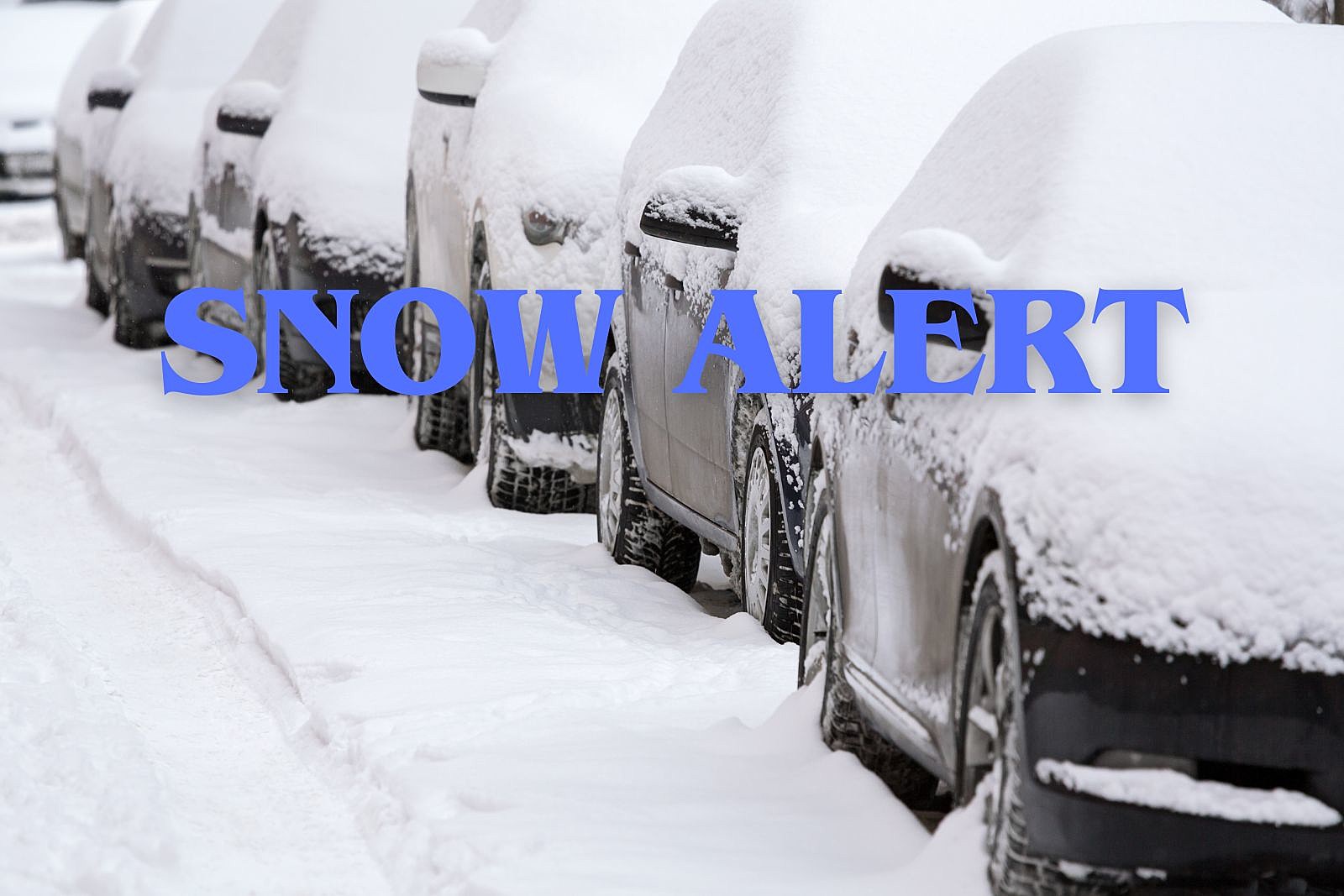
Introduction
As winter approaches, snow alerts become increasingly important for millions of people living in areas prone to snowfall. These alerts inform the public about upcoming snow events, helping individuals, families, and businesses prepare adequately for inclement weather. Given the potential impact of heavy snow on travel, safety, and daily routines, staying updated on snow alerts is essential for avoiding disruptions and ensuring safety.
Current Situation
As of October 2023, meteorologists are predicting an active winter season across much of the United States. With various weather patterns converging, states in the Midwest and Northeast are gearing up for significant snowfall. The National Weather Service (NWS) has issued several snow alerts for these regions, advising residents to take precautions against hazardous weather conditions.
For instance, New York and Pennsylvania are among the states anticipated to experience heavy snow accumulation in the coming weeks, with some areas receiving up to 12 inches in a single storm. Snow alerts extend beyond just warnings, as they are categorized into three levels: watches, warnings, and advisories, each providing a different level of urgency and preparedness information.
Impacts of Snow Alerts
Snow alerts can have wide-ranging effects on communities. They often lead to the cancellation of classes, job closures, and can pose risks to travel, with road conditions deteriorating quickly. Local government agencies typically mobilize resources to treat roads and ensure public safety, but individuals must also prepare by stocking up on essentials, ensuring their vehicles are winter-ready, and staying informed through reliable news sources and weather apps.
How to Prepare for Snow Events
Preparation is key when facing potential snow events. Here are several steps individuals and families can take:
- Stay informed: Keep an eye on local news outlets, weather forecasts, and social media updates from local government agencies.
- Emergency Supplies: Ensure you have adequate supplies, including food, water, medications, and batteries for flashlights.
- Winterize Your Home: Check for drafts, insulate windows, and ensure your heating systems are functional.
- Vehicle Preparedness: Keep your car’s fluid levels topped off, have a winter emergency kit, and maintain proper tire inflation.
Conclusion
As the winter months approach, snow alerts serve as a vital tool for public safety. Understanding these alerts and how to respond to them can significantly reduce the impact of winter storms on daily life. Residents in affected areas should proactively prepare and stay informed to navigate the challenges posed by heavy snowfall effectively. By doing so, they can ensure their safety and that of their loved ones during these potentially disruptive weather events.