
Introduction
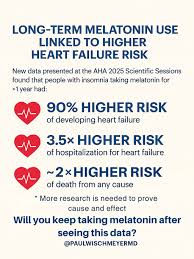
Melatonin, a hormone primarily associated with sleep regulation, has recently gained attention for its potential implications in various health conditions beyond sleep disorders, including cardiovascular health. Heart failure (HF), a chronic condition that affects millions of Americans, is characterized by the heart’s inability to pump sufficiently, leading to a range of symptoms and complications. Understanding how melatonin interacts with heart health is crucial as researchers explore new avenues for treatment and symptom management.
Research Developments
Recent studies have investigated the role of melatonin in heart failure, revealing promising findings. A study published in the Journal of Pineal Research indicated that melatonin possesses antioxidant properties, which may help in reducing oxidative stress—a major contributor to heart failure progression. This study showed that melatonin therapy improved heart function in animal models of heart failure, highlighting its potential as a therapeutic agent.
Another study from 2022 examined the effects of melatonin on patients with chronic heart failure. The results suggested that patients receiving melatonin supplements experienced improved quality of life, reduced hospitalizations, and better overall heart function compared to those on conventional treatments alone. Researchers noted that melatonin might enhance the efficacy of standard heart failure therapies, potentially leading to better outcomes.
Mechanisms at Work
The mechanisms by which melatonin influences heart health are still being studied, but several theories exist. Melatonin may help regulate blood pressure, improve endothelial function, and modulate inflammation, all of which are critical factors in managing heart failure. Furthermore, melatonin’s circadian rhythm alignment could contribute to healthier sleep patterns, ultimately improving heart health by fostering restorative cycles that are often disrupted in heart failure patients.
Conclusion and Future Implications
As researchers continue to explore the relationship between melatonin and heart failure, there is growing optimism about the hormone’s utility in managing this complex condition. While more extensive clinical trials are necessary to fully understand its benefits and optimal dosing, current findings suggest that melatonin may offer a complementary approach to traditional heart failure treatments. For patients and healthcare providers alike, remaining informed about emerging therapies like melatonin can provide new strategies for improving outcomes in heart failure management. As the body of research grows, it may pave the way for melatonin to be recognized not just as a sleep aid but as a valuable component in cardiovascular health interventions.