
Introduction
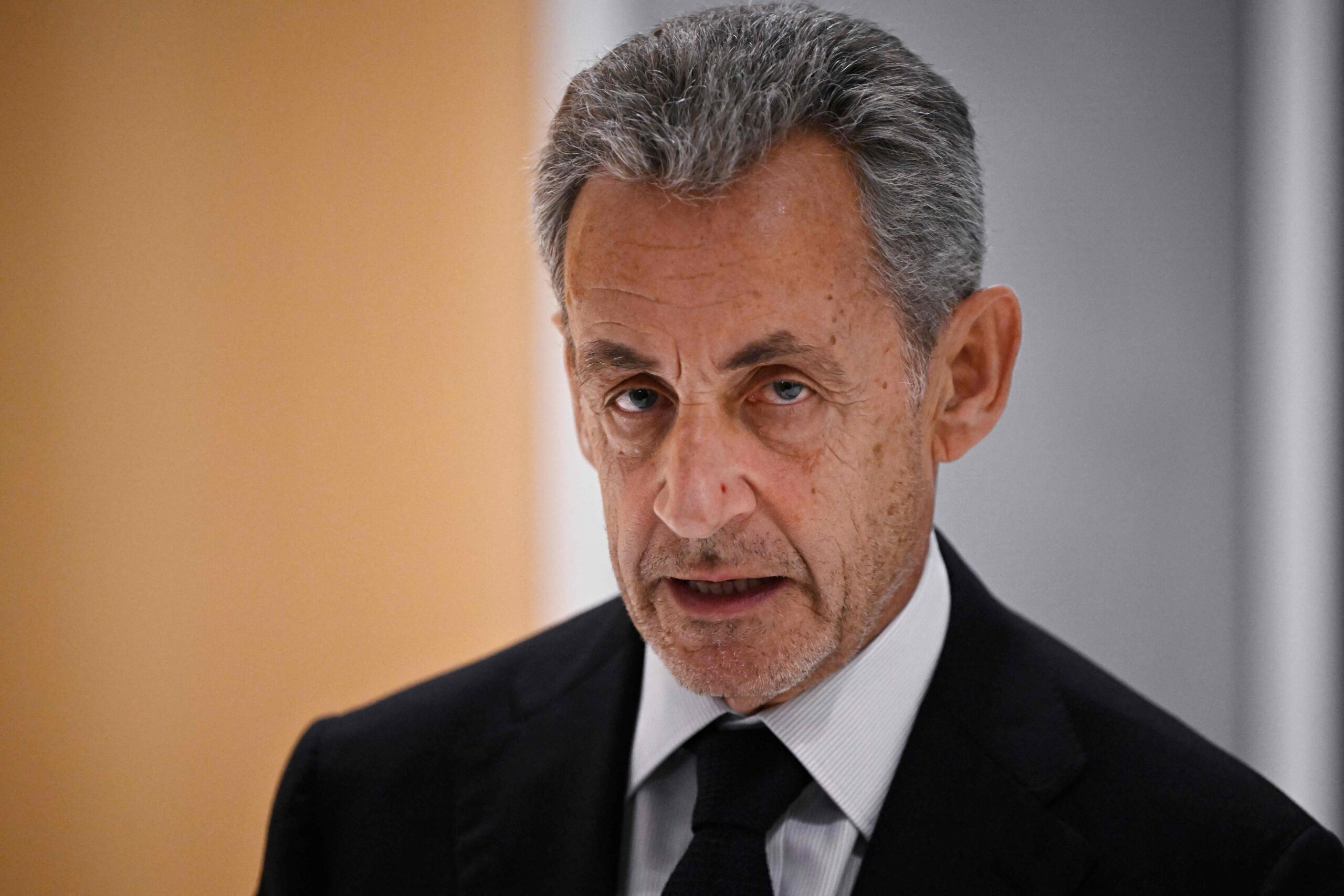
Nicolas Sarkozy, the former President of France and prominent figure in European politics, has recently re-emerged in the spotlight due to ongoing legal challenges and potential political aspirations. His journey from a young politician to the highest office in France illustrates the complexities of political life, marked by controversies and significant achievements. Understanding Sarkozy’s impact on French politics is crucial, especially as France approaches critical elections that could reshape its political landscape.
Recent Developments
In recent months, Sarkozy has faced a legal framework that includes various corruption charges stemming from his 2012 election campaign. In September 2023, he was convicted of corruption and influence peddling linked to his dealings with the L’Oréal heiress Liliane Bettencourt. Despite his appeals, the court’s decision reinforced the perception of Sarkozy as a polarizing figure in contemporary French politics.
Amid these challenges, Sarkozy remains a significant character in the political arena. Speculations regarding his return to politics intensified when he publicly supported candidates for the upcoming municipal elections and expressed interest in helping the center-right party regain its footing amidst rising populism in France. Polls suggest that Sarkozy still possesses substantial support among traditional Republicans, leaving the possibility of a future candidacy open.
A Legacy of Influence
Sarkozy served as President from 2007 to 2012 and is known for various reforms including significant tax cuts, police reform, and assertive foreign policy during the global economic crisis. His administration’s handling of the EU’s economic policies and relations with the United States set a precedent that continues to influence current discussions in European politics.
Furthermore, Sarkozy’s legacy includes controversial decisions such as the introduction of restrictions on immigration and a crackdown on riots in French suburbs. These actions reflect the balance he sought between maintaining order and pursuing liberal social policies, a challenge that remains relevant for politicians today.
Conclusion
Nicolas Sarkozy’s journey through French politics illustrates the ebb and flow of power and perception in a democratic society. As he navigates legal battles and possibly re-enters the political fray, his strategies and outcomes will be closely watched, as they may indicate how established parties can counter the rise of populist movements in France. For citizens, understanding these political shifts informs their choices in upcoming elections, as Sarkozy’s influence—whether mythical or measurable—continues to resonate within French politics.