
Introduction
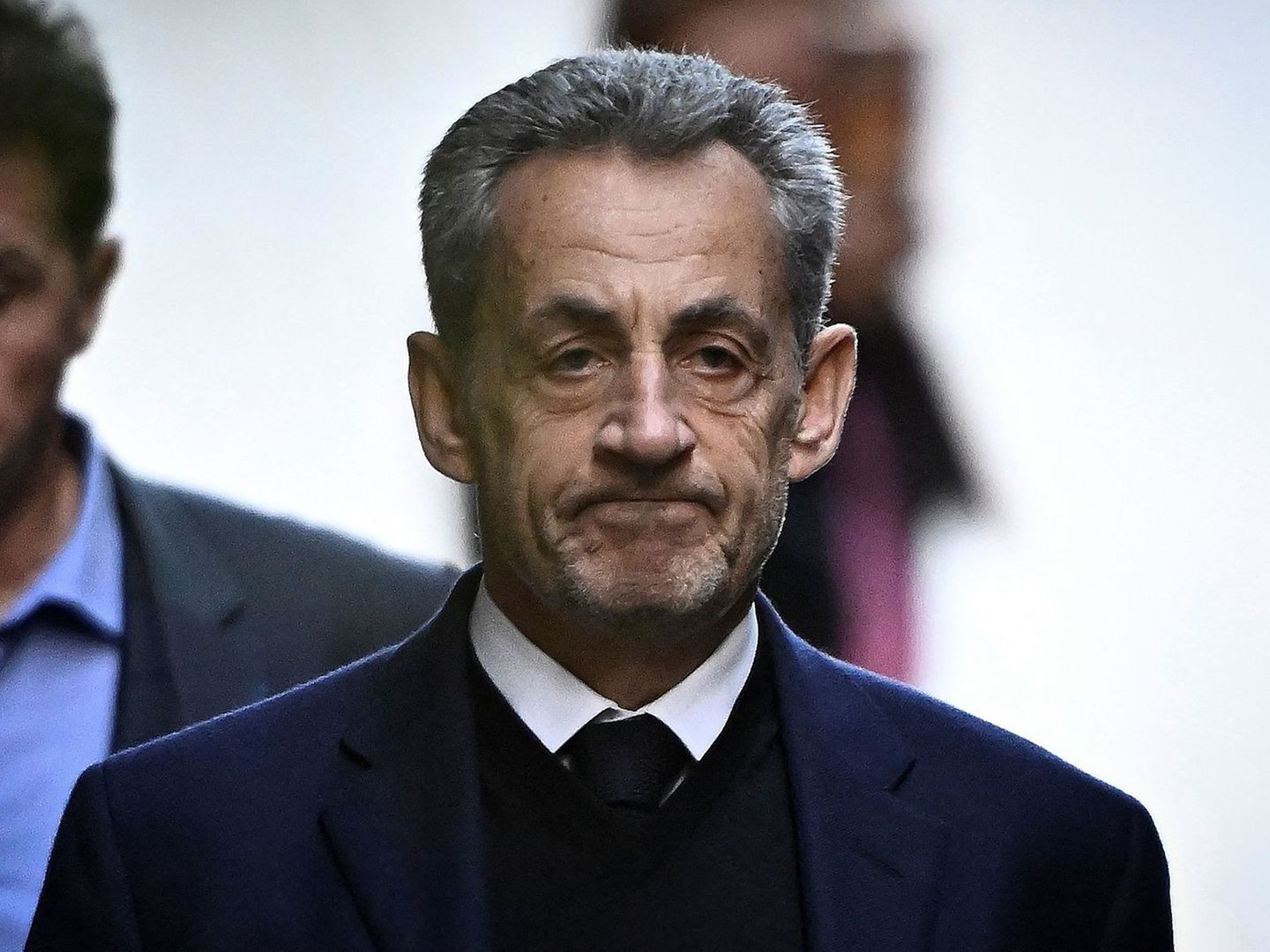
Nicolas Sarkozy, a prominent figure in French politics, served as the President of France from 2007 to 2012. His dynamic leadership style and controversial reforms reshaped the political landscape of the nation. In recent months, Sarkozy has been back in the news, not only due to his political legacy but also due to various legal battles he faces, making him a continually relevant topic in today’s political discourse.
Political Career and Achievements
Born on January 28, 1955, Sarkozy rose from relatively humble beginnings to become one of the most influential political leaders in France. After holding several ministerial positions, he was elected President in 2007, succeeding Jacques Chirac. Sarkozy’s presidency was marked by efforts to reform the French economy, tighten immigration laws, and improve the nation’s security. His support for labor market reforms and tax cuts were viewed as essential steps to bolster France’s economy during a challenging period. He was also instrumental in navigating the European financial crisis and demonstrated leadership on the international stage during events like the NATO summit in 2008.
Controversies and Legal Challenges
Despite his achievements, Sarkozy’s tenure was laden with controversies, particularly regarding his approach to immigration and national security. After losing the 2012 presidential election to François Hollande, Sarkozy’s political career took a downturn. He faced legal scrutiny culminating in a series of trials for alleged corruption and campaign finance violations. In September 2021, Sarkozy was convicted of corruption and influence peddling, leading to a three-year prison sentence, though two years were suspended. These legal challenges cast a long shadow over his political legacy and have raised questions about accountability among politicians.
Recent Developments
Currently, Sarkozy is appealing his conviction, stating that he did not receive a fair trial. His legal battles and political maneuvers remain significant topics of interest in France as they might influence the future of conservative politics in the country. His ongoing involvement in political discourse is seen as a potential signal of a return to the political arena, which could reshape the landscape for upcoming elections.
Conclusion
Nicolas Sarkozy’s journey reflects the complexities of modern politics, where leadership decisions have far-reaching implications. His case highlights the need for transparency and integrity in public office. As new elections approach in France, Sarkozy’s influence—whether through his past policies or ongoing legal issues—will undoubtedly be a focal point of discussion among voters and political analysts alike. The evolving narrative of Sarkozy serves as a compelling reminder of the intricacy of political life and its inherent challenges.