
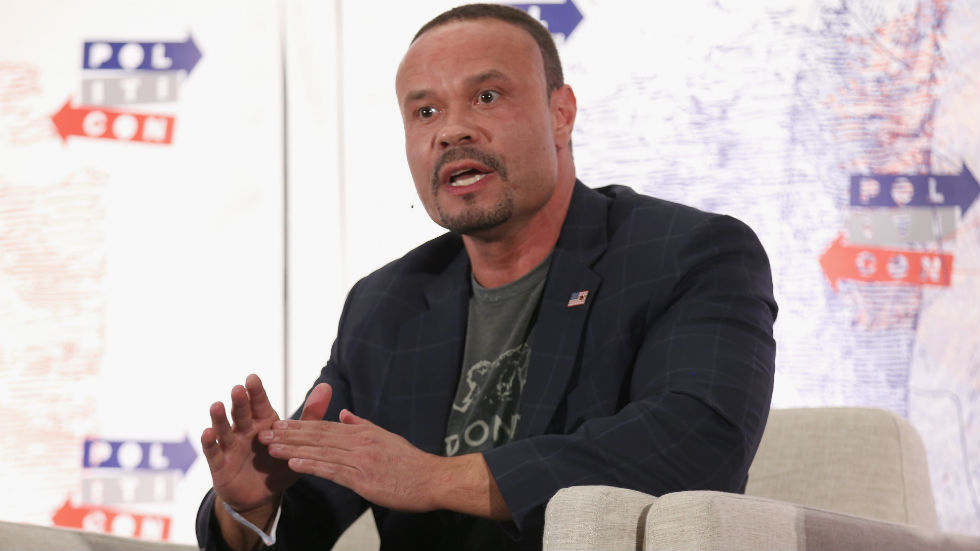
Introduction
Dan Bongino, a former Secret Service agent turned conservative commentator, has made significant waves in the political landscape of the United States. Known for his strong opinions and direct style, Bongino has become a prominent voice on issues ranging from law enforcement to freedom of speech. His relevance has only grown in the current political climate, making it essential to understand his impact and the evolving narrative surrounding him.
Background and Career Transition
Bongino began his career in public service, working for the New York City Police Department before later joining the United States Secret Service. Following his departure from the agency, he transitioned into a career in politics and media. Utilizing his experience in law enforcement, Bongino began to voice his opinions on key political issues, gaining traction as a commentator through various media channels, including Fox News and social media platforms.
Recent Developments
In recent months, Bongino has reached new audiences through various projects. His podcast, “The Dan Bongino Show,” continues to attract millions of listeners, reflecting his standing as a leading voice in conservative media. He also ventured into his own television show, further solidifying his brand in political commentary. Notably, Bongino’s commentary on the COVID-19 pandemic has sparked discussions and controversies, particularly regarding vaccines and mandates, illustrating his polarizing yet influential role in contemporary political discourse.
Public Reception and Controversies
Bongino’s outspoken nature has drawn both fervent supporters and vocal critics. His approach often resonates with conservative audiences who value a straightforward communication style, especially regarding law enforcement and government overreach. However, his remarks have also elicited backlash from those who oppose his views, especially concerning public health and safety matters. This dynamic highlights the significant divide within American society regarding political beliefs and media consumption.
Conclusion
As Dan Bongino continues to shape discussions in conservative circles, his influence is likely to grow amid an increasingly polarized climate. For readers, Bongino’s activities exemplify the broader trends in political media today and the powerful role of individual commentators in shaping public opinion. Observing how his narratives evolve will provide insights not only into his career but also into the future landscape of American political discourse.