
Introduction
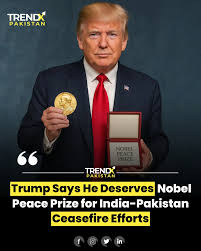
The nomination of former President Donald Trump for the 2024 Nobel Peace Prize has ignited significant discussions around his contributions to global diplomacy. This nomination, by a Norwegian politician, emphasizes the complex and often divisive legacy of Trump’s foreign policy initiatives, particularly regarding peace treaties in the Middle East.
Details of the Nomination
Trump’s nomination comes on the heels of his administration’s efforts that led to the Abraham Accords, agreements normalizing relations between Israel and several Arab nations. Those advocating for his nomination argue that his unorthodox approaches and willingness to engage with North Korea marked a departure from traditional diplomatic strategies and contributed to a reduction in tensions in some regions.
Christian Tybring-Gjedde, a member of the Norwegian Parliament, was the individual who put Trump’s name forward for consideration, stating that Trump’s policies had laid the groundwork for peace in the Middle East. This nomination has not only been met with support from some quarters but also faced considerable criticism and skepticism regarding its implications.
Reactions and Opinions
The response to Trump’s nomination has been largely polarized. Supporters argue that the 2020 Abraham Accords represented a significant step towards peace in a historically volatile region. Critics, on the other hand, contend that his policies were more controversial and that the award should be reserved for individuals who have substantive, long-term commitments to nonviolent resolution of conflicts.
Moreover, Trump’s handling of international alliances and relations with NATO allies has also been a point of contention, raising questions about whether his nomination for such a prestigious accolade is warranted. Trump’s own responses to his nomination have been a blend of pride and assertions of his intended peace-building efforts.
Conclusion
As the discourse surrounding Trump’s Nobel Peace Prize nomination unfolds, it underscores the complexities involved in evaluating political legacies and the criteria for such high honors. With the prize announcement still months away, it will be interesting to observe how public sentiment evolves and whether Trump’s diplomatic efforts will be weighed favorably by the Nobel committee. The implications of this nomination extend beyond Trump, potentially influencing how future administrations approach peace and diplomacy on the global stage.