
Introduction
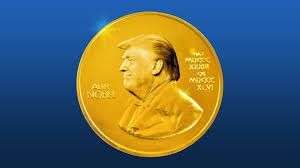
The Nobel Peace Prize has long been a subject of global intrigue, often intertwined with political figures and pivotal moments in history. Recently, former President Donald Trump’s nomination for the Nobel Peace Prize has sparked renewed interest and debate surrounding its significance. The nomination highlights the continuing oscillation of global geopolitics and the enduring quest for peace, especially in light of Trump’s diplomatic engagements during his presidency.
Details of the Nomination
In 2021, Trump was nominated for the Nobel Peace Prize by a Norwegian politician, Christian Tybring-Gjedde, who cited Trump’s role in brokering peace agreements between Israel and several Arab nations, including the United Arab Emirates and Bahrain. This agreement, known as the Abraham Accords, marked a significant diplomatic shift in the Middle East, leading to normalization of relations among countries that historically had tensions. Supporters of the nomination argue that this peace initiative could pave the way for future stability in the region, highlighting the importance of dialogue over conflict.
Global Reactions
The news of Trump’s nomination was met with mixed reactions both domestically and internationally. Proponents of the nomination praised the historic nature of the Abraham Accords, asserting that Trump’s unorthodox approach to foreign policy has opened channels for dialogue and cooperation that were previously unseen. Conversely, critics expressed skepticism, questioning the long-term effectiveness of these agreements and suggesting that Trump’s policies have often been divisive rather than unifying.
The Broader Context of Peace Initiatives
The nomination also raises questions about the criteria for receiving the Nobel Peace Prize. Previous laureates have often included figures who fought against oppression, advocated for civil rights, or played pivotal roles in conflict resolution. Amidst widespread global issues, including climate change and health crises exacerbated by the COVID-19 pandemic, many argue that the Nobel Committee should consider a broader spectrum of candidates who contribute to peace on multiple levels.
Conclusion
As the Nobel Peace Prize nomination process unfolds, the implications of Trump’s nomination remain a hot topic of discussion. While some view it as an acknowledgment of significant geopolitical achievements, others warn against overlooking critical factors that contribute to lasting peace. Ultimately, this nomination not only reflects Trump’s presidency but also poses essential questions about peace, diplomacy, and the evolving landscape of international relations. The real test will be whether such agreements yield sustained peace in the Middle East and inspire future presidents to continue the legacy of diplomacy over conflict.