
Introduction
The cryptocurrency market has evolved dramatically over the last decade, becoming a significant aspect of the global financial system. As we look forward to 2026, understanding the anticipated trends and potential transformations in the crypto landscape is crucial for investors, enthusiasts, and policymakers alike. This importance lies not only in financial prospects but also in the innovations and technologies that are set to shape the future of digital currencies.
Current State of the Cryptocurrency Market
As of late 2023, the cryptocurrency market has witnessed considerable volatility with specific currencies such as Bitcoin and Ethereum demonstrating significant price fluctuations. Regulatory scrutiny has intensified, with governments worldwide focusing on creating frameworks that protect investors while nurturing innovation. In 2023, Bitcoin was hovering around $30,000, following a peak in 2021, while Ethereum has solidified its position as a versatile platform for decentralized applications (dApps).
Key Trends and Predictions for 2026
1. Regulatory Developments
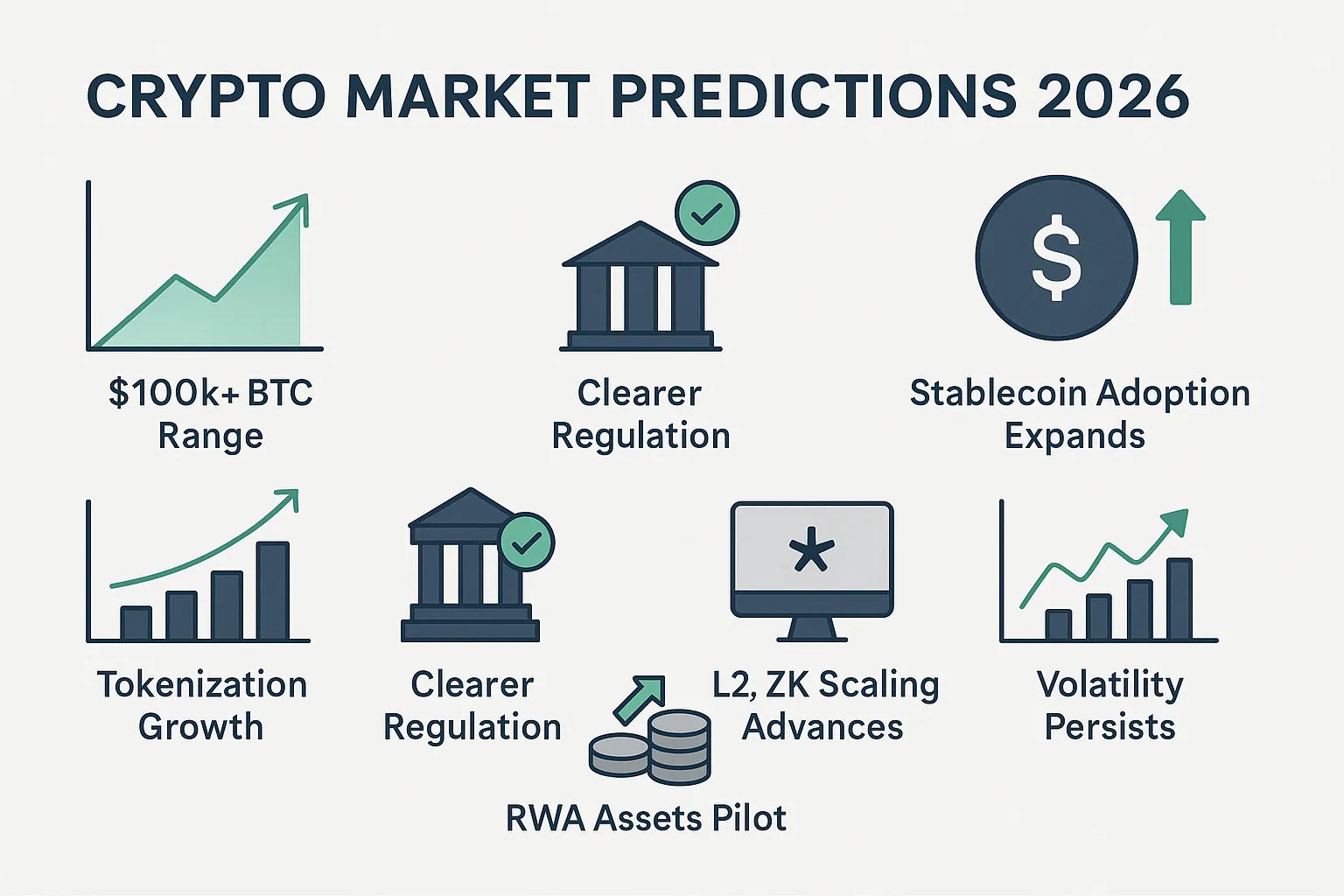
By 2026, it is expected that many countries will have established clearer regulatory frameworks, which could provide more certainty for investors. This clarity will likely encourage institutional investments, further driving market capitalization.
2. Rise of Central Bank Digital Currencies (CBDCs)
The imminent launch of CBDCs across several nations will create a broader acceptance of digital currencies. By 2026, CBDCs may redefine monetary policies and cross-border transactions, leading to interconnected digital economies.
3. Technological Innovations
Advancements in blockchain technology, including improvements in scalability and energy efficiency, are anticipated to expand the capabilities of cryptocurrencies. Layer 2 solutions and alternative consensus mechanisms could enhance transaction speeds and reduce costs.
4. Increased Adoption of Decentralized Finance (DeFi)
DeFi platforms, which enable lending, trading, and earning interest on crypto assets without traditional intermediaries, are projected to gain traction. This sector could revolutionize how individuals manage their finances, drawing in users from various demographics.
5. Evolution of NFTs and the Metaverse
Non-fungible tokens (NFTs) and metaverse activities will likely define crypto’s cultural relevance. By 2026, NFTs could further establish themselves in areas such as digital art, gaming, and intellectual property, driving user engagement and investment.
Conclusion
As we approach 2026, the cryptocurrency landscape is set for significant changes driven by regulatory advancements, technological innovation, and increased societal acceptance. Investors and stakeholders must remain vigilant of these trends to leverage opportunities and navigate the complexities of this dynamic market. The future of crypto holds promise, and understanding these developments will be essential for successfully participating in this evolving ecosystem.