
The Significance of Bitcoin in Today’s Economy
Bitcoin, the world’s first decentralized digital currency, has revolutionized the financial landscape since its inception in 2009. With its increasing acceptance and adoption across different sectors, the relevance of Bitcoin continues to amplify. As we look forward to 2026, analyzing trends and forecasts becomes crucial for investors, enthusiasts, and regulators alike.
Market Analysis and Current Trends
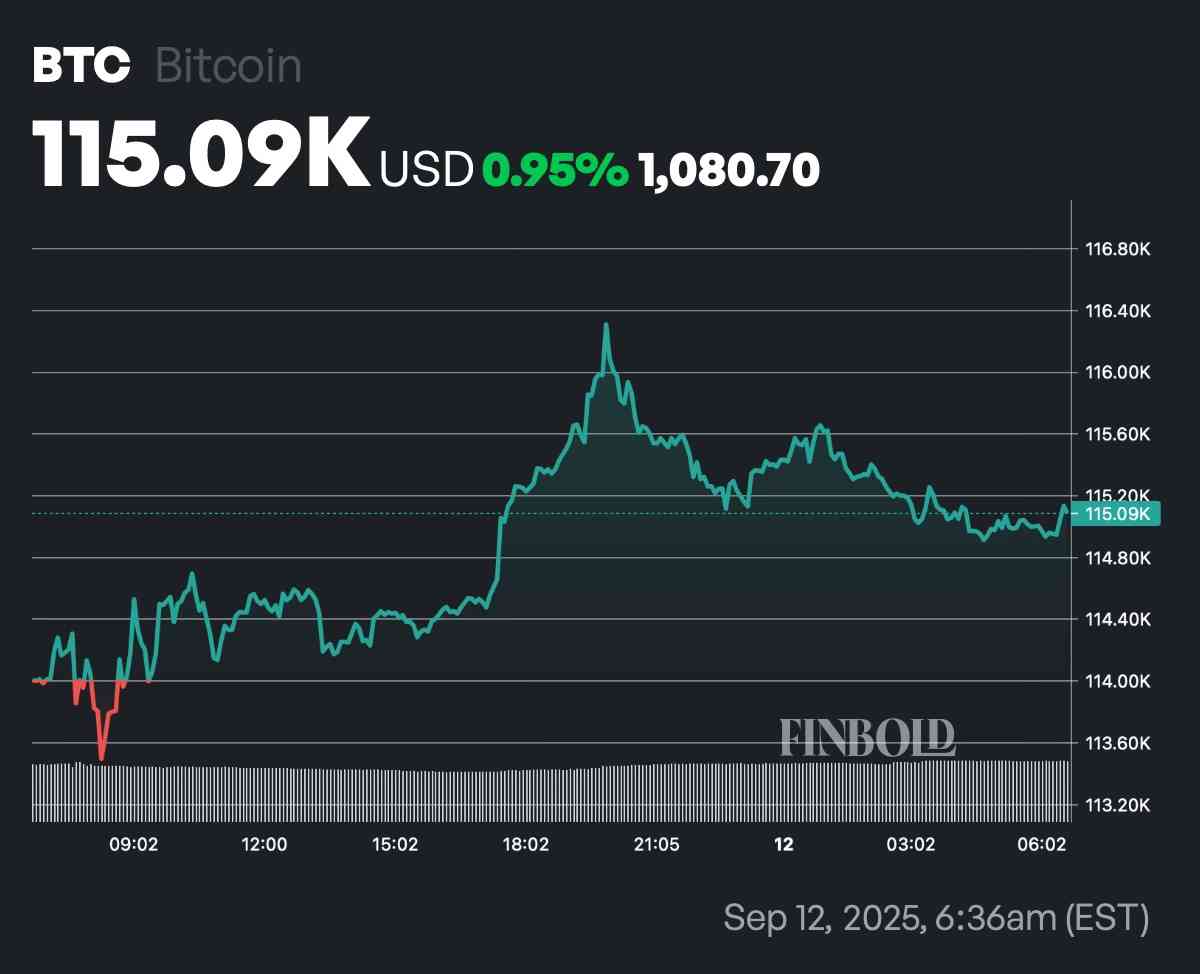
As of late 2023, Bitcoin is experiencing increased volatility, reflecting broader market conditions and investor sentiment. The surge in institutional adoption, particularly among hedge funds and large corporations, has propelled Bitcoin’s credibility as a viable asset class. In 2022, Bitcoin reached an all-time high of nearly $69,000 before experiencing significant corrections. Analysts predict that by 2026, Bitcoin’s market cap could potentially surpass $1 trillion again, assuming favorable regulations and continued integration into financial systems.
Predicted Innovations and Regulations
Crucial to Bitcoin’s future in 2026 is the landscape of regulations and technological advancements. Countries like the United States and the European Union are actively working on regulatory frameworks that may influence Bitcoin’s price and usability. Furthermore, advancements in blockchain technology and increased transaction speeds are expected to enhance efficiency, paving the way for wider adoption among consumers and businesses.
The Role of Bitcoin in Inflation and Economic Stability
Amid rising inflation rates worldwide, Bitcoin is often viewed as a hedge against traditional economic downturns. Its decentralized nature and capped supply make it an attractive option for preserving wealth. As central banks continue to implement expansionary monetary policies, investors may flock to Bitcoin as an alternative store of value.
Conclusion: Looking Ahead to 2026
As we look to 2026, Bitcoin remains at the forefront of the cryptocurrency discussion. Its potential for growth is intertwined with technological advancements, regulatory acceptance, and the evolving perceptions of digital assets. Investors should remain vigilant, keeping track of market trends, regulations, and the overall economy’s performance. With its resilience and ongoing innovations, Bitcoin’s trajectory will be a focal point of interest in the coming years, making it essential for stakeholders to stay informed and prepared for dynamic changes in this space.