
Introduction
As winter weather sweeps across various regions of the United States, school cancellations have become a pressing topic for parents, students, and educators alike. Understanding the factors leading to these cancellations is crucial not only for planning purposes but also for assessing their impacts on education and children’s wellbeing.
Recent Trends in School Cancellations
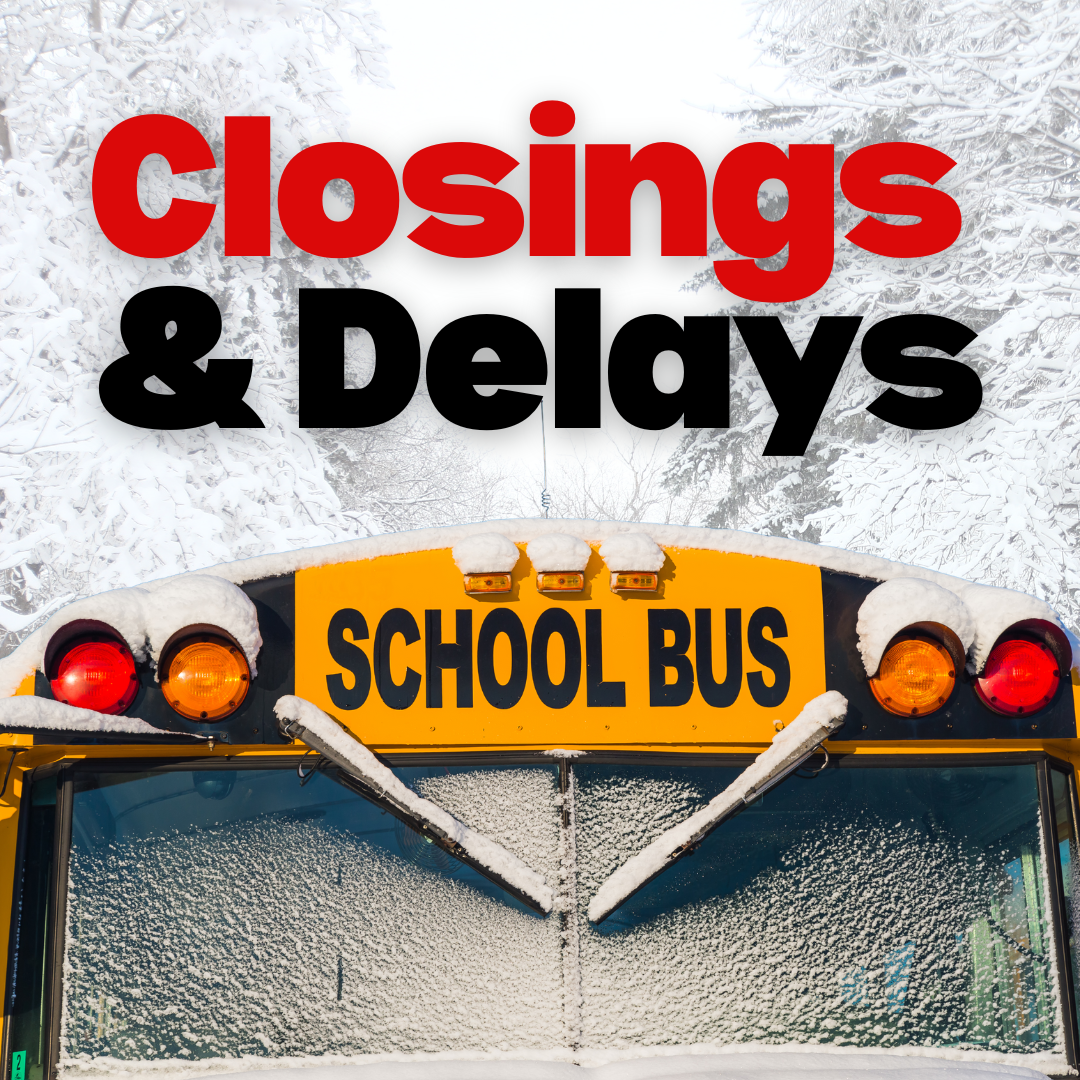
Across the country, numerous school districts have announced cancellations today due to severe weather conditions. According to data from the National Weather Service, heavy snowfall and icy conditions have prompted closures from the Midwest to the Northeast, affecting thousands of students. For example, several districts in Minnesota and Wisconsin have opted to close schools for the day, prioritizing student safety over attendance.
Reasons Behind Cancellations
Today’s school cancellations are primarily driven by weather-related issues. Heavy snowfall not only creates hazardous travel conditions for buses but also for parents commuting to drop off their children. In addition, frigid temperatures pose health risks, particularly for younger students waiting at bus stops. Beyond weather, school districts may also cancel classes due to issues like electrical outages or water pipe breaks, as seen in parts of Michigan and New York.
Impact on Education
The implications of school cancellations are far-reaching. Educational experts suggest that missed days can hinder learning progress, especially if closures occur frequently. Furthermore, repeated cancellations can place a strain on parents’ work schedules and childcare arrangements, leading to additional stress for families. Many districts are exploring remote learning options to mitigate disruptions during such closures, though access to technology remains a significant barrier for some students.
Conclusion
As school cancellations become more frequent due to unpredictable weather, it is essential for parents and students to stay informed about developments in their local districts. While the priority remains student safety, there is a pressing need for educational institutions to develop strategies that minimize the detrimental effects of missed classes. By adapting to modern challenges, schools can ensure that students remain on track, regardless of the hurdles faced. As forecasts indicate varying conditions across the states, it is crucial to monitor local announcements regarding cancellations and potential alternative learning approaches.