
Introduction
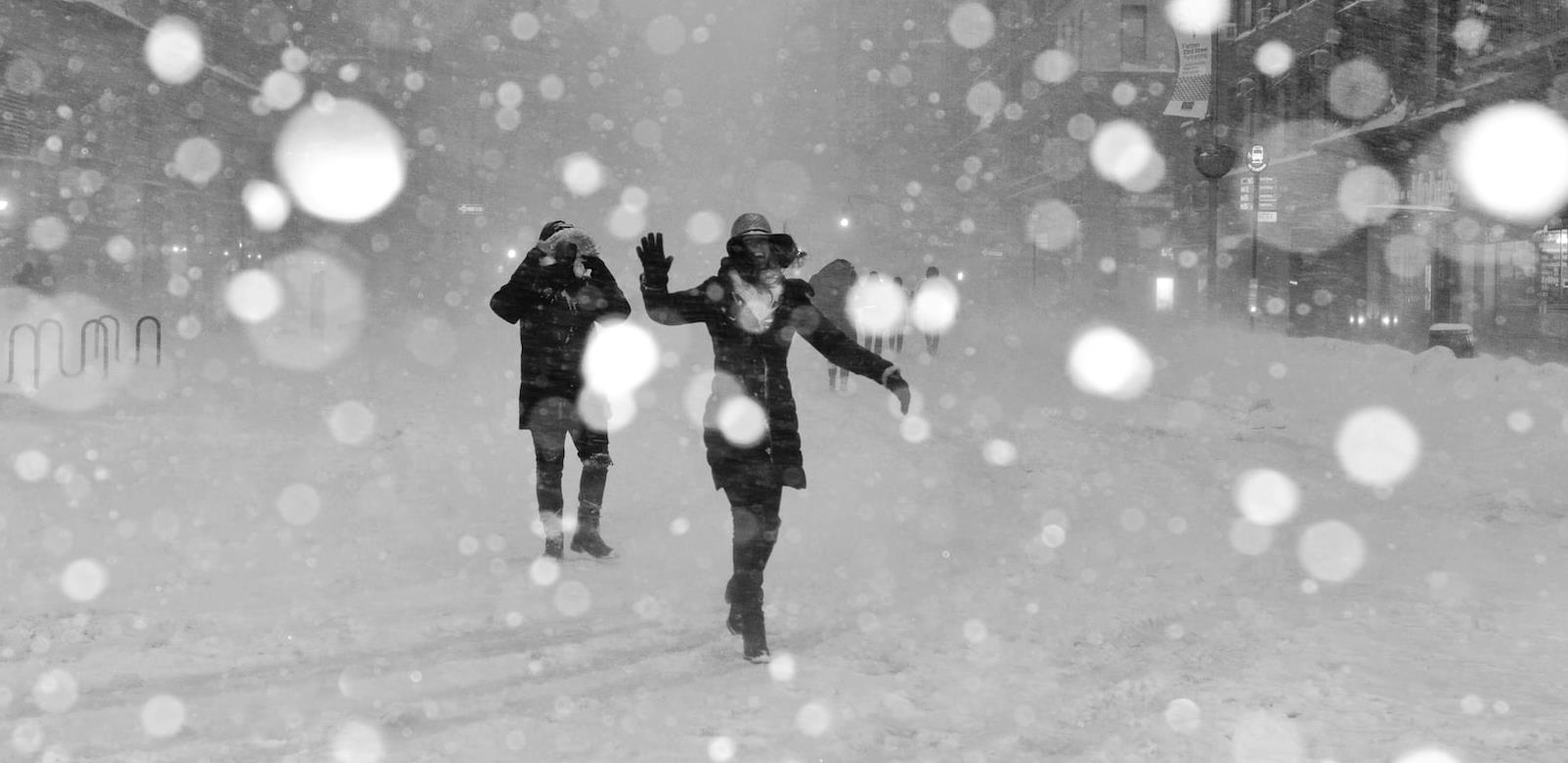
Inclement weather, defined as severe, threatening, or unfavorable weather conditions, plays a significant role in our daily lives. This term encompasses a range of weather phenomena, from heavy rain and thunderstorms to snowstorms and extreme heat. Understanding inclement weather is crucial, particularly in regions prone to such conditions, as it can greatly impact travel, outdoor activities, and even public safety.
Recent Events
In recent weeks, parts of the United States have faced significant inclement weather. For instance, the Midwest experienced a series of tornado warnings as severe thunderstorms swept through the region, affecting cities such as Chicago and Indianapolis. According to the National Weather Service, these storms resulted in temporary power outages for thousands of residents and prompted emergency officials to activate response protocols.
Additionally, the northeastern states have been grappling with prolonged rainfall, leading to flooding in areas like New York and New Jersey. Local governments have issued alerts and guidance for residents to stay indoors, monitor emergency updates, and avoid unnecessary travel during peak rain hours. Federal Emergency Management Agency (FEMA) representatives are advising families to prepare emergency kits, ensuring they have necessary supplies like water, food, and medical essentials.
Impact on Daily Life
Inclement weather not only disrupts travel plans but can also strain local economies. Businesses often see declines in customers during severe weather events, particularly those relying on foot traffic. Transportation networks frequently face delays and cancellations, leading to frustration for commuters. According to a recent survey by AAA, more than 30% of Americans altered their travel plans during winter storms last year.
Moreover, extreme weather can prompt increased healthcare consultations, as individuals may face health hazards related to cold exposure or respiratory issues during extreme heat waves. Communities are urged to remain vigilant and prepare for the health implications associated with harsh weather conditions.
Conclusion
As climate change continues to intensify weather patterns, the frequency and severity of inclement weather events are likely to increase. The importance of preparedness cannot be overstated. Residents should stay informed through local weather updates, have a clear action plan for emergencies, and ensure they are equipped to handle potential disruptions. Not only does this enhance personal safety, but it also supports community resilience against the unpredictable nature of inclement weather.