
Introduction
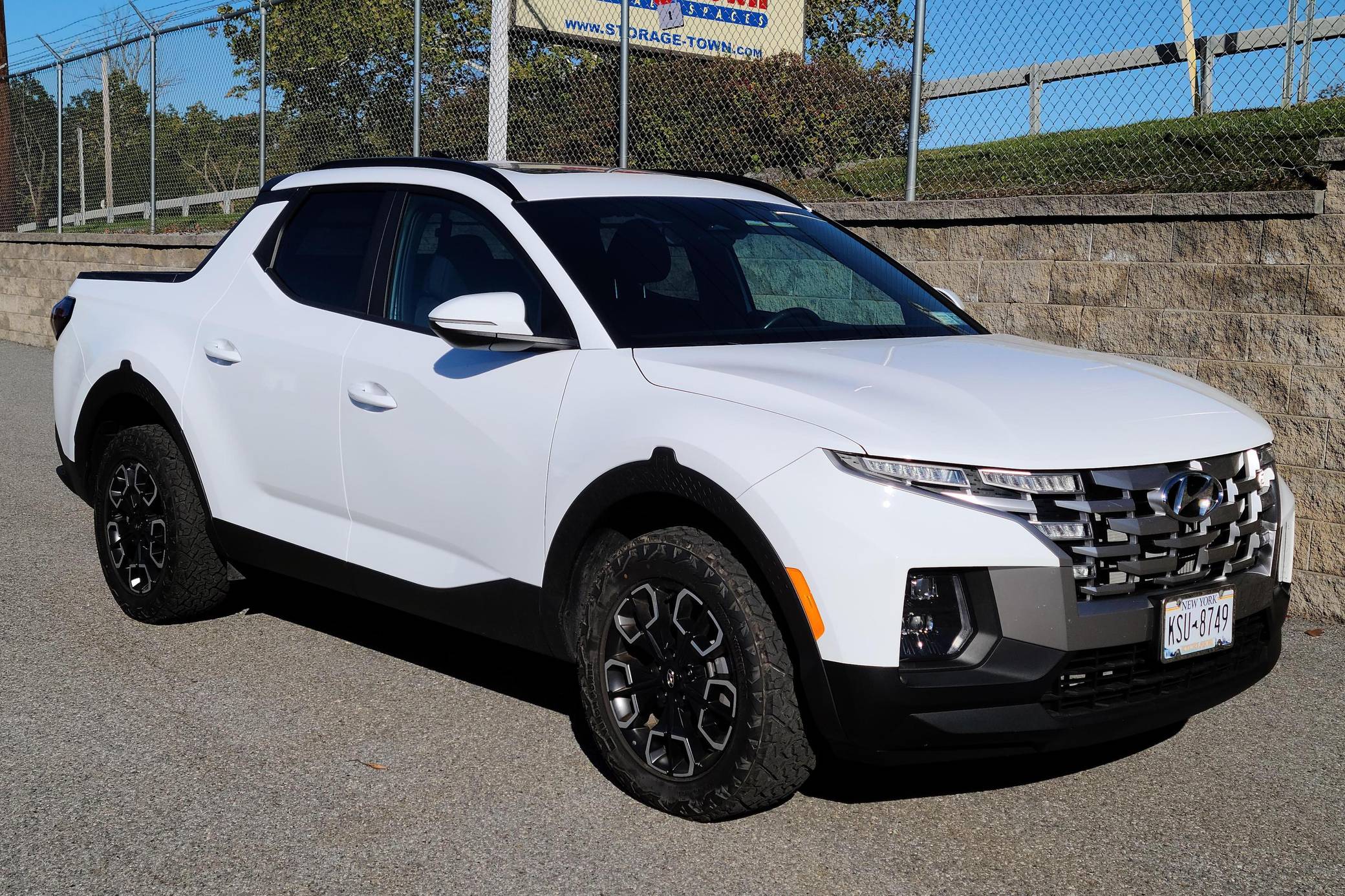
The Hyundai Santa Cruz has made waves in the automotive industry since its debut in 2021, representing a significant shift in the landscape of pickup trucks. Combining the practicality of a truck with the comfort of an SUV, the Santa Cruz has garnered attention for its innovative design, versatility, and advanced technology. As consumer preferences evolve towards more multifunctional vehicles, understanding the significance of the Hyundai Santa Cruz is paramount for potential buyers and automotive enthusiasts alike.
Design and Features
The Hyundai Santa Cruz stands out with its distinct unibody construction, which offers a smoother ride compared to traditional body-on-frame pickups. Its exterior is characterized by a sleek, modern design that appeals to urban dwellers looking for both style and functionality. The truck bed, measuring 4.3 feet, features an innovative “in-bed” trunk for extra storage, showcasing Hyundai’s attention to practical solutions for everyday use.
Within the cabin, the Santa Cruz does not compromise on passenger comfort. It boasts a spacious interior with seating for five, equipped with Hyundai’s latest infotainment system that includes a large touchscreen, Apple CarPlay, and Android Auto capabilities. The inclusion of advanced safety features like forward collision-avoidance assist and blind-spot monitoring further enhances its appeal.
Performance and Market Reception
Under the hood, the Santa Cruz offers two engine options: a 2.5-liter four-cylinder engine providing 190 horsepower, and a turbocharged 2.5-liter option delivering 275 horsepower. This range allows consumers to choose between efficiency and robust performance depending on their needs. The available all-wheel drive provides enhanced traction, making it a capable vehicle for various terrains.
Since its introduction, the Hyundai Santa Cruz has experienced a positive reception, with many praising its unique blend of utility and style. Analysts note that its sales figures have exceeded expectations, indicating strong consumer interest in this hybrid-type vehicle.
Conclusion
As the automotive industry continues to innovate and evolve, the Hyundai Santa Cruz stands as a testament to the shifting dynamics of consumer demands. Its combination of SUV comfort and pickup practicality positions it well in a competitive market. Moving forward, it is anticipated that the interest in vehicles like the Santa Cruz will only grow, as more drivers seek versatile options that fit their lifestyles. Ultimately, the Santa Cruz is not just a vehicle but a response to changing mobility patterns, making it a significant player in the future of the automotive landscape.