
Introduction
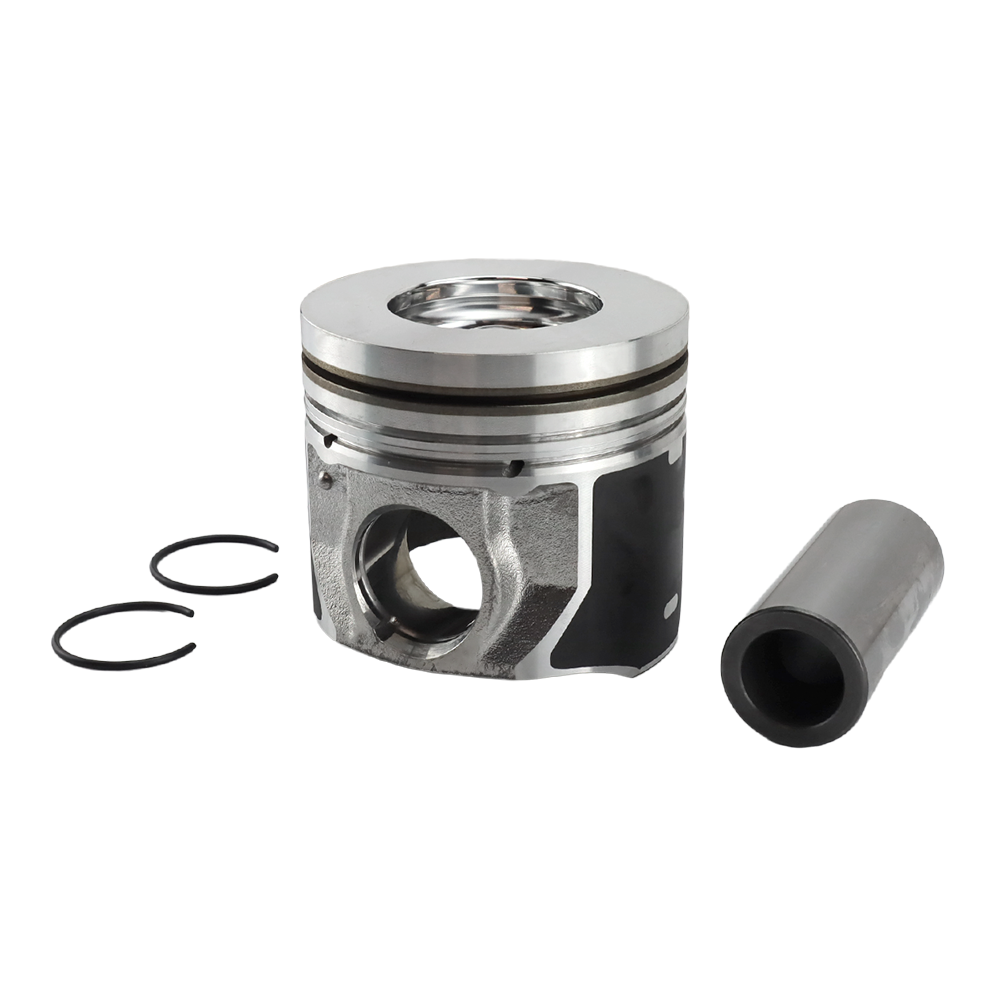
Pistons play a crucial role in the performance and efficiency of internal combustion engines. Acting as a moveable component that compresses fuel and air before ignition, they help convert chemical energy into mechanical energy. As automotive technology advances, the importance of pistons in delivering improved fuel efficiency, power, and lower emissions becomes even more significant.
The Function of Pistons
Pistons serve multiple functions in an engine. They create the necessary compression for combustion, allowing the fuel-air mixture to ignite, which then drives the piston’s movement down the cylinder bore. This movement turns the crankshaft, ultimately powering the vehicle forward. Given their charged role, the material and design of pistons have evolved dramatically. Modern pistons are often made from lightweight materials such as aluminum alloys, which help to reduce engine weight and improve performance.
Recent Developments in Piston Technology
As the automotive industry increasingly focuses on sustainability and emission reduction, innovative piston technologies are being embraced. For example, manufacturers are exploring forged aluminum pistons, which offer strength and reduced weight. New coatings designed to minimize friction and improve thermal resistance are also being implemented to enhance overall engine life and performance. Additionally, the development of smart pistons equipped with sensors that can monitor performance metrics is paving the way for smarter vehicle diagnostics and maintenance.
Future Outlook
The future of pistons in the automotive sector looks promising, especially with the rise of electric vehicles (EVs). Although traditional combustion engines are gradually being phased out, the lessons learned from piston technology will likely influence new designs in electric drivetrains. Furthermore, emerging technologies such as hydrogen combustion engines could see the evolution of pistons in a new light, emphasizing their ongoing relevance in various forms of propulsion.
Conclusion
Pistons are more than just a component of an engine; they are vital to its efficiency and performance. As advancements in materials and technology continue to shape their development, the automotive industry can potentially achieve significant gains in fuel efficiency and sustainability. Understanding the evolution and future of pistons offers insight into the broader changes transforming the automotive landscape, reaffirming their importance for both manufacturers and consumers alike.