
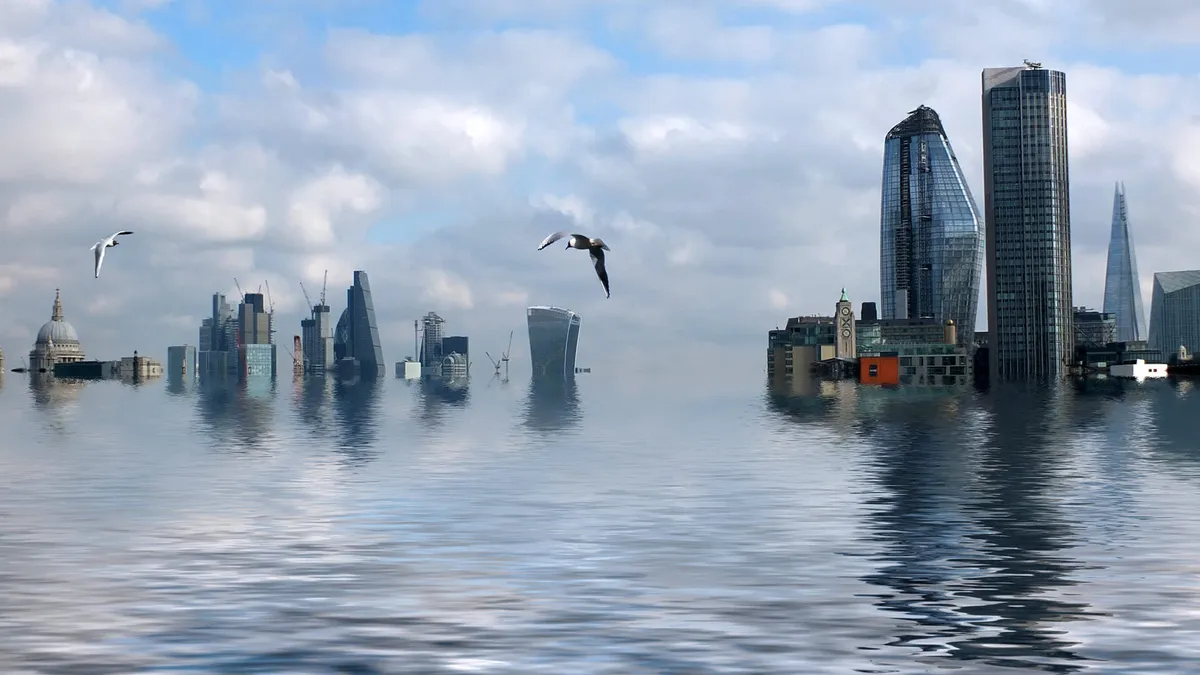
Recent studies have highlighted alarming developments in climate change, with 2025 being reported as one of the hottest years on record, approximately 1.43 °C above the 1850-1900 average. This trend is part of a larger pattern, as the years from 2015 to 2025 have been identified as the hottest 11 years recorded.
In addition to rising temperatures, the ocean has been absorbing carbon dioxide at an unprecedented rate, equivalent to about eighteen times the annual human energy use each year for the past two decades. This absorption plays a crucial role in the ongoing climate crisis.
Sea ice extent is also a significant concern, with the Arctic experiencing annual extents at or near record lows. Meanwhile, Antarctic sea ice extent has reached its third lowest on record, further indicating the severe impacts of climate change on polar regions.
In a noteworthy development, a recent study published on March 18, 2026, revealed that beavers could offset 1.2% to 1.8% of Switzerland’s annual carbon emissions through their wetland activities. Joshua Larsen, a researcher involved in the study, stated, “Our findings show that beavers don’t just change landscapes: they fundamentally shift how carbon dioxide moves through them.”
Lukas Hallberg, another researcher, added, “So instead of carbon going into the atmosphere, it gets locked away in soils, sediments, or vegetation,” emphasizing the potential of natural solutions in combating climate change.
Looking ahead, the Pacific Northwest is projected to warm by 2 °C to 5 °C by 2050 compared to pre-2000 temperatures. This warming trend is expected to have significant implications for local ecosystems and weather patterns.
This winter has already been noted as one of the warmest on record across the West, with Clinton Alden, a climate expert, remarking, “This winter’s warmth is a harbinger.” Such changes are likely to increase the frequency of rain-on-snow days and create more avalanche-prone ice layers.
John Stimberis, a local expert, highlighted the concerns of communities, stating, “They want to know when to expect the onset of avalanches and when to expect the return to stability.” These inquiries reflect the growing awareness of the risks associated with climate change.
As the situation continues to evolve, the impacts of climate change remain a pressing issue for communities and ecosystems worldwide. Details remain unconfirmed regarding future developments, but the urgency for action is clear.