
Introduction
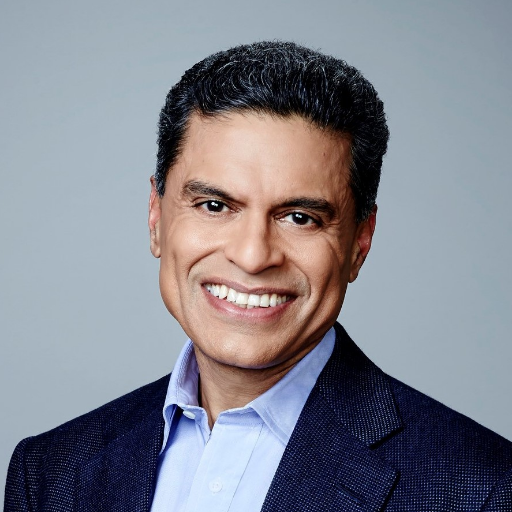
Fareed Zakaria, an influential journalist, author, and political commentator, has solidified his position as a leading voice in global affairs. Known for his thoughtful insights on international relations and domestic politics, Zakaria’s work continues to shape public discourse. His relevance in the media landscape is heightened as the world grapples with complex geopolitical challenges.
Who is Fareed Zakaria?
Born in India in 1964, Fareed Zakaria moved to the United States for his higher education, earning a degree from Yale University followed by a Ph.D. from Harvard University. His career began in journalism with roles at prestigious outlets such as Newsweek and The Washington Post. Zakaria is widely recognized as the host of CNN’s Fareed Zakaria GPS, where he discusses and dissects significant events and trends in the global landscape.
Key Contributions and Recent Events
In recent years, Zakaria has tackled pressing issues like the rise of authoritarianism, the implications of globalization, and the impact of technology on politics. His analysis has become increasingly relevant amid the ongoing conflicts in Eastern Europe and the perpetual shifts in U.S.-China relations. In his latest CNN episode, Zakaria covered the fallout of the Russia-Ukraine war and its implications for the global energy market, drawing attention to the need for a coordinated international response.
Zakaria is also known for his publications, including best-selling books such as The Future of Freedom and In Defense of a Liberal Education, both of which argue for the importance of democratic values and education in today’s society. His perspective extends beyond conventional journalism, as he frequently engages with experts and thought leaders, providing a platform for diverse viewpoints.
Conclusion
Fareed Zakaria’s relevance is marked by his ability to anticipate trends in global politics and articulate complex ideas to a broad audience. As nations navigate a precarious future involving climate change, technological advancements, and shifting power dynamics, Zakaria’s insights remain critical for understanding the evolving landscape. For readers seeking clarity and perspective on the world’s most pressing issues, Zakaria’s work offers a valuable guide in the turbulent seas of contemporary global affairs.